on Google


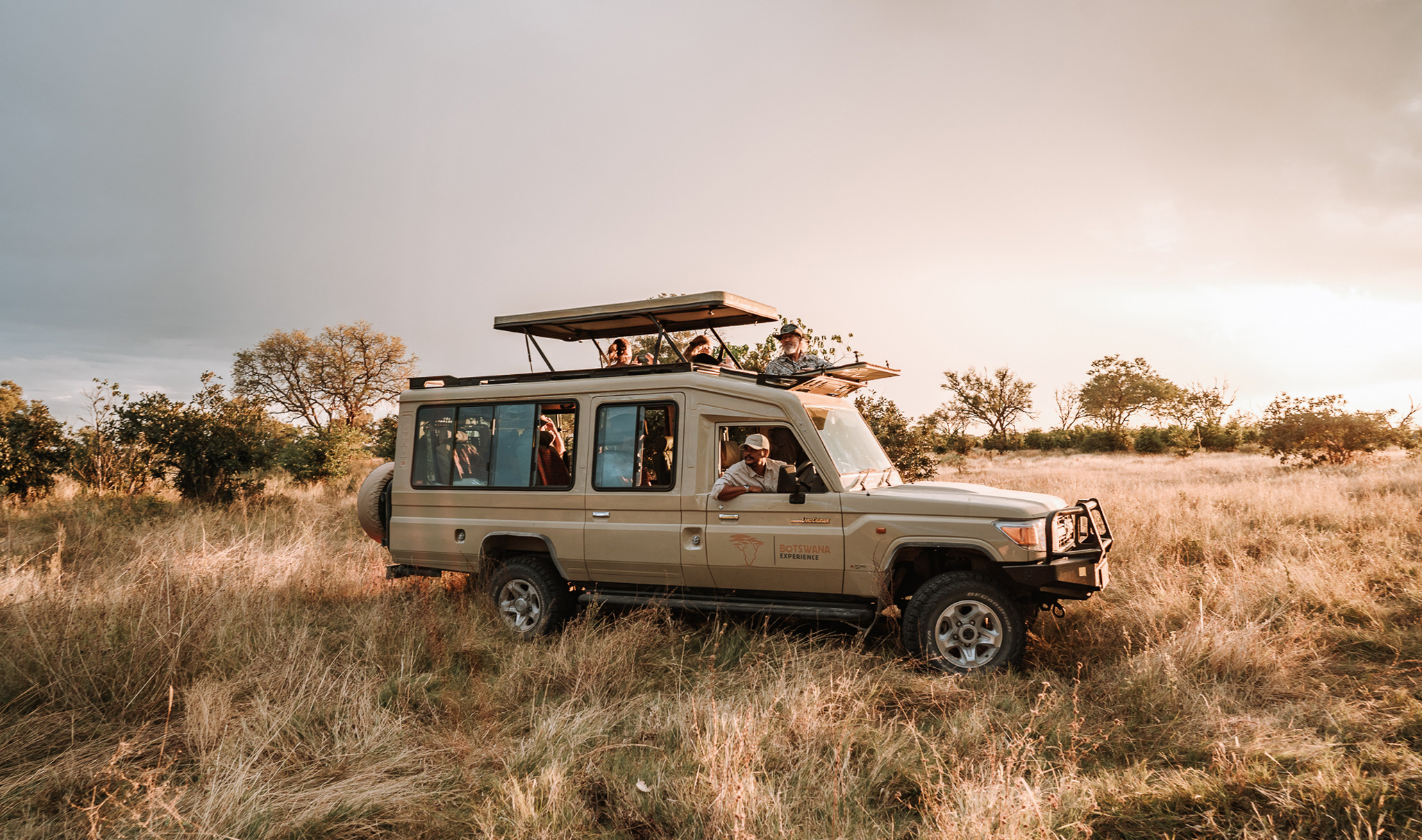
Malaria in Botswana is generally limited to specific northern regions, allowing visitors to enjoy both low-risk and malaria-free safari experiences.
While popular wildlife areas – Okavango Delta or Chobe – do carry a seasonal malaria risk, much of the country remains unaffected. Botswana’s strong healthcare system and ongoing malaria control programmes have further improved safety.
With effective prevention measures, and careful planning, the risk can be significantly reduced. For those seeking complete peace of mind, several malaria-free safari destinations are also available.
This makes Botswana a versatile and attractive option for a wide range of travellers.
Understanding Botswana Malaria Risk
The malaria risk in Botswana is relatively low compared to many other African safari destinations. It is largely confined to the northern parts of the country.
Areas such as the Okavango Delta, Chobe District, and regions bordering Namibia, Zambia, and Zimbabwe may experience seasonal transmission.
This is particularly true during and after the rainy season from November to May. Southern regions, including Gaborone and the Kalahari, are considered malaria-free.
The government has made significant progress in handling the Botswana malaria situation nationwide control initiatives. These include indoor residual spraying, mosquito net distribution, and public health awareness campaigns.
The efforts are ongoing and have led to a steady decline in cases over recent years. In addition, Botswana boasts a well-developed tourism infrastructure and access to medical care.
The country is considered a safe and well-managed destination for safari travellers who take appropriate precautions.

Botswana Malaria Statistics & Trends
Reflecting the success of its national elimination strategy, Botswana has seen a notable decline in malaria cases in recent years. Reported infections have dropped significantly compared to previous decades, with many districts recording only sporadic and isolated cases.
Transmission remains seasonal and geographically concentrated, primarily affecting northern regions during wetter months.
Some areas have achieved near-elimination status, while others continue targeted interventions to reduce transmission further. Ongoing surveillance and rapid response systems help contain outbreaks quickly.
Overall, the trend indicates steady progress towards malaria elimination. This helps reinforce Botswana’s reputation as one of the lower-risk safari destinations in sub-Saharan Africa.
Is Botswana Safe for Tourists?
Botswana is widely regarded as one of Africa’s safest travel destinations, both in terms of general security and health risks. While malaria exists in certain regions, the risk to tourists is low when appropriate precautions are taken.
Preventative measures such as antimalarial medication, insect repellent, and protective clothing are highly effective. In addition, high-quality lodges often implement their own mosquito control measures.
When viewed in context, malaria should not deter travel but rather encourage informed planning. Be sure to contact your healthcare provider to discuss the type of malaria prevention that is right for you.
This ensures a worry-free trip and allows you to safely enjoy Botswana’s exceptional wildlife and landscapes.
Favorite Tours

Fascinating Botswana
Places Khwai Region, Moremi Game Reserve, Savuti Region, Chobe National Park, Victoria Falls
from 4,950 USD per person sharing
Higher Risk Areas for Malaria in Botswana
Botswana malaria risk is concentrated in the country’s northern regions, where environmental conditions favour mosquito breeding.
Key areas include Chobe National Park, the Okavango Delta, and districts along the borders with neighbouring countries. These regions experience seasonal transmission, particularly during and after the rainy months.
Understanding this geographic and seasonal distribution allows you to plan accordingly and take appropriate preventative measures when visiting higher-risk areas.
Chobe National Park
Renowned for its large elephant herds and rich wildlife, Chobe National Park is one of Botswana’s most popular safari destinations. However, its location in the far north means it falls within a malaria risk zone.
Here, the presence of rivers and floodplains creates ideal breeding conditions for mosquitoes. This is particularly during the rainy season from November to May.
Despite this, the risk for visitors remains manageable with proper precautions. Many lodges implement mosquito control measures, and by wearing appropriate clothing, you can further reduce the risks.
By wearing long sleeves in the evenings, and using insect repellent, you can safely enjoy Chobe’s exceptional wildlife. If you want full peace of mind, consult your healthcare provider to determine whether or not to take antimalarial prophylaxis.
Okavango Delta
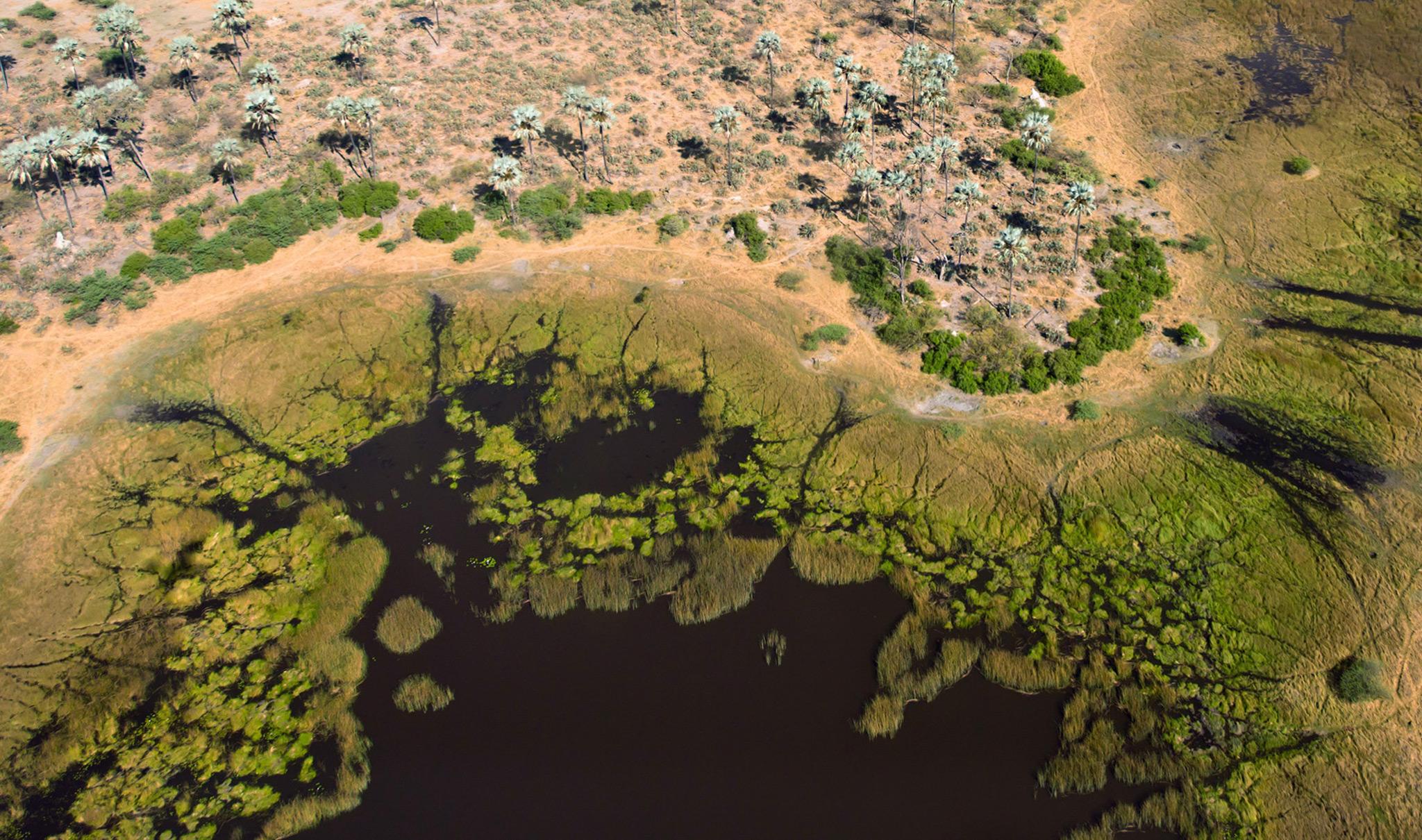
The Okavango Delta is as unique as its iconic – a safari destination known for its seasonal floods and extraordinary biodiversity. Its lush wetlands and standing water, however, create favourable conditions for malaria transmission, especially during and after the rainy season.
Risk levels tend to peak between November and May, when mosquito populations are highest.
As many camps in the Delta are remote, access to medical facilities may be limited, making preventive measures particularly important. While many lodges and camps provide precautionary measures such as mosquito nets and repellent, you should also take personal responsibility.
Use insect repellent regularly, wear long sleeves and trousers in the evenings, and consult your doctor to determine if you should consider antimalarial medication.
With the right precautions, you can safely experience the Delta’s remarkable landscapes and wildlife throughout the year.
Northern Regions & Border Areas
Botswana’s northern regions and border areas carry higher malaria risks due to their proximity to countries with more widespread transmission. Cross-border movement from Namibia, Zambia and Zimbabwe contributes to sustained transmission in these zones.
Districts near major waterways and floodplains are particularly affected, as humid environments support mosquito breeding.
While cases remain relatively low compared to high-risk areas elsewhere in Africa, travellers in more affected regions should remain cautious. Preventative strategies are especially important when visiting these higher transmission areas.

Low Risk & Malaria-Free Safari Areas in Botswana
Particularly in its drier southern and central areas, Botswana offers several safari regions with little to no malaria risk. These destinations are ideal if you are seeking exceptional wildlife experiences without the need for antimalarial medication.
They are especially appealing to families, honeymooners, and those with health concerns.
Central Kalahari Game Reserve
The Central Kalahari Game Reserve is considered malaria-free. This is mostly due to its arid climate and lack of standing water, which limits mosquito breeding.
With rainfall being sparse and seasonal, the likelihood of transmission is reduced even further.
As one of the largest game reserves in the world, it offers a strikingly different safari experience. Its landscapes are defined by vast open plains, golden grasslands, and dramatic skies.
Wildlife sightings include species adapted to desert conditions, such as oryx, springbok, and black-maned lions. The area’s remote, untouched character appeals to those seeking solitude, adventure, and a true sense of wilderness.
Makgadikgadi Pans National Park
Characterised by vast salt pans and arid landscapes, Makgadikgadi Pans National Park is an environment largely unsuitable for mosquito breeding.
As a result, malaria risk in these parts is extremely low to negligible throughout the year. While seasonal rains may bring brief periods of surface water, they do not typically lead to sustained malaria transmission.
With its open horizons and unique desert-adapted species, the park offers a striking contrast to Botswana’s wetter northern regions. It represents an excellent option to experience a safari setting with minimal concern about malaria.
Enjoy incredible vistas, from shimmering salt flats to dramatic sunsets, while spotting wildlife uniquely adapted to this harsh environment.
Southern Botswana Regions
The southern regions of Botswana are considered malaria-free and provide safer alternatives for more cautious travellers. These include areas around Gaborone, the Kalahari Desert and the Tuli Block bordering South Africa.
All of these areas are drier and less hospitable to mosquitoes, significantly reducing any risk of transmission.
While they differ from destinations in the north, these southern regions still offer rewarding wildlife experiences and striking landscapes. They present a reassuring and accessible option without compromising on the quality of the travel experience.
Southern Botswana is an ideal choice for families, first-time safari-goers, or anyone wishing to avoid any risks associated with malaria.

Botswana Malaria Season Explained
Generally speaking, Botswana malaria risks fluctuate seasonally, peaking during the warmer, wetter months. Mosquito activity is at its highest during the rainy season, from November to April.
The dry season, May to October, sees significantly lower transmission. Understanding this pattern and consulting our travel experts on the ground helps you plan safely.
Rainy Season (High Risk)
The rainy season in Botswana, running from November to April, is when malaria risk is at its highest. Warm temperatures combined with frequent rainfall create ideal conditions for mosquitoes to breed and multiply, particularly in northern wetlands.
Risks are also higher along rivers, and floodplains, which are perfect breeding grounds for mosquitoes.
If you plan to visit regions like the Okavango Delta or Chobe, you should take extra precautions during this period. Basic rules include the use of insect repellent as well as wearing long sleeves in the evenings.
Antimalarial medication is another consideration, however, you should always consult with your healthcare provider. Despite the higher risk, guided safaris remain manageable – if planned carefully and adhering to preventive measures.
Dry Season (Lower Risk)
Botswana’s dry season, from May to October, is characterised by cooler temperatures and minimal rainfall. This results in a marked reduction in mosquito activity along with a lower malaria risk.
During this period, rivers and waterholes shrink, limiting mosquito breeding grounds, especially in northern regions.
On safari, you will benefit from drier conditions, clearer skies, and more predictable wildlife sightings. It is the ideal time for low-risk safaris. Lodges and tour operators often highlight this season as the safest for families and first-time visitors.
While standard insect precautions remain advisable, you can enjoy Botswana’s iconic wildlife and landscapes with significantly reduced malaria concerns.

Malaria Prevention in Botswana
Preventing malaria in Botswana involves a combination of medical and practical measures. These include assessing your personal risk, following local health advice, and adopting habits that reduce mosquito exposure.
Using insect control methods – protective clothing, repellent and nets – ensures a safer safari experience across higher-risk regions.
Do You Need Malaria Tablets?
Whether or not malaria tablets are advisable depends on your personal health, itinerary and the time of year. We strongly advise you discuss all options with your doctor or travel health clinic to assess your personal risk.
Prophylactic medication, when appropriate, is highly effective in reducing the risk of infection. It should, however, always be prescribed by your trusted health care provider.
Clothing & Personal Protection
Appropriate clothing is a simple but effective way to reduce mosquito bites. Light-coloured, loose-fitting long sleeves and trousers are recommended, particularly during the early morning and evening when mosquitoes are most active.
Avoiding dark or bright colours can also help, as these tend to attract insects. Consider pre-impregnated safari clothing that repels mosquitoes and other biting insects.
Additionally, always wear socks and closed shoes around waterholes and camp areas.
Combining clever clothing choices with other preventative measures like repellents and prophylaxis provides robust protection against malaria in higher-risk zones.
Insect Repellent & Nets
Use insect repellent, especially in the evenings and before bedtime. Many lodges and camps provide mosquito nets over beds, often treated with insecticide, which adds an extra layer of protection.
Practical Travel Guidelines
Keep a simple malaria prevention checklist: Take prescribed tablets as directed, apply repellent regularly, wear protective clothing, and sleep under nets where provided.
Stay informed about seasonal risks and regional hotspots. Combining these measures ensures a safe and enjoyable safari experience while minimising the chance of malaria infection.

Malaria-Free Safari Options in Botswana
With Botswana Experience specialising in tailor-made safaris, malaria-free itineraries can be designed according to your interests.
Southern regions like the Central Kalahari and Makgadikgadi Pans are ideal for anyone seeking a malaria-free safari Botswana experience. Contact our travel experts to find out more and get planning.
Tailor-Made Central Kalahari Safaris
With tailor-made safaris in the Central Kalahari Game Reserve you can make sure you stay within a malaria-free environment. These itineraries focus on vast desert landscapes, unique wildlife such as oryx and meerkats, and immersive encounters with San culture.
If you are seeking tranquillity and authenticity, the Central Kalahari provides a remote and rewarding safari experience. In addition, you will stay safe without the need for malaria-related precautions.
Makgadikgadi Pans & Salt Pan Adventures
Adventures in the Makgadikgadi Pans combine wildlife viewing with a truly unique and almost otherworldly landscape. This vast network of salt pans is made for extraordinary activities.
Enjoy quad biking and guided walks during the day, while evenings and nights are stargazing on the open pans.
The dry, saline environment is inhospitable to mosquitoes, meaning there is virtually no malaria risk. Seasonal rains can transform parts of the area, attracting zebra migrations and birdlife, yet without creating sustained transmission. I
If you are seeking something beyond a traditional safari, the Makgadikgadi delivers a striking, low-risk alternative.
Custom Southern Botswana Safaris
Custom-made safaris to the south are designed to avoid northern Botswana malaria zones while still delivering a rich, varied experience. You can expect a combination of desert wildlife and dramatic landscapes on these flexible itineraries.
They often include destinations such as the Central Kalahari Game Reserve and the Makgadikgadi Pans, but can be fully tailored.
Apart from preferred parks, this level of customisation includes choice of accommodation as well as guided activities and self-drive options. This makes it an excellent choice for families or first-time safari-goers.
Southern Botswana is ideal for anyone wishing to minimise health risks while enjoying the country’s distinctive natural beauty.

African wild dog packs occasionally roam the Central Kalahari Game Reserve, where they hunt cooperatively and range widely across its vast, arid landscape.
Popular Botswana Safaris (Low-Risk with Prevention)
Botswana offers a range of exceptional safari itineraries that combine iconic wildlife destinations with manageable malaria risk. With proper precautions, you can safely explore renowned and popular regions such as the Okavango Delta and Chobe.
The following curated safaris balance comfort, expert guiding, and unforgettable experiences in some of Africa’s most celebrated landscapes.
Fascinating Botswana – 9 Day Lodge Safari
Our 9-day Fascinating Botswana safari is a well-balanced small-group tour combining comfort and adventure. You’ll be staying in carefully selected lodges while exploring the country’s prime safari regions such as Moremi and Chobe.
Game drives offer close encounters with Africa’s majestic wildlife, while guided activities take you all the way to Victoria Falls.
With appropriate malaria precautions, this safari provides a safe and rewarding introduction to Botswana’s natural highlights. It is an excellent choice for first-time visitors seeking a comprehensive yet relaxed safari experience.
Botswana Fly-In Safari – 9 Day Private Safari
Our Botswana Fly-In Safari is a private itinerary offering a seamless and exclusive way to experience Botswana’s top wildlife destinations. To make the most of your time on the ground, you’ll be travelling between camps by light aircraft.
Enjoy spectacular aerial views as you traverse the Okavango Delta or Chobe National Park. Throughout your journey, luxurious lodges, personalised service, and expert guides ensure a premium safari experience.
This itinerary combines convenience, comfort, and outstanding wildlife encounters. And with proper malaria prevention measures you’ll stay safe and enjoy every moment with complete peace of mind.
Heavenly Botswana – 12 Day Luxury Safari
Our 12-day Heavenly Botswana luxury safari is an immersive journey through Botswana’s most iconic landscapes. It is designed for travellers seeking an experience that is both intimate and high-end.
The itinerary covers Botswana in all its diversity, from the Kalahari desert to the waterways of the Okavango Delta. Enjoy elegant accommodation, exceptional guiding, and diverse activities that go beyond classic game viewing experiences.
With appropriate precautions, Botswana malaria risk remains low, allowing you to focus on extraordinary wildlife and scenery in complete comfort.

FAQs About Botswana Malaria
Is Botswana a malaria-risk country?
While Botswana is considered a malaria-risk country, the level of risk varies significantly by region and season.
Northern areas, particularly those with permanent water sources, present a higher risk, especially during and after the rainy season.
In contrast, much of southern and central Botswana is classified as low risk or malaria-free. Consequently, exposure depends largely on where and when you travel within the country.
You should therefore assess your itinerary carefully and consult both your travel expert and your healthcare provider.
Do I need malaria tablets for Botswana?
Whether you need malaria tablets for Botswana or not depends on your specific travel plans and personal health.
Factors to take into consideration include regions you visit, the time of year, and your individual health profile.
Some travellers visiting higher-risk northern areas choose to take antimalarial medication, while others may rely on preventive measures. Always make sure to use repellents and protective clothing covering both legs and arms.
As recommendations can vary, it is important to seek personalised advice from a qualified healthcare professional before your trip.
Which areas are malaria-free in Botswana?
Several parts of Botswana are considered malaria-free or very low risk, particularly in the drier central and southern regions. Areas including the Central Kalahari, Makgadikgadi Pans, and southern Botswana generally do not support the conditions required for malaria transmission.
These destinations are characterised by arid landscapes and limited standing water, making them less favourable for mosquitoes. They are excellent options if you are seeking a safari experience with minimal health concerns related to malaria.
Is Okavango Delta safe from malaria?
The Okavango Delta is not considered malaria-free and is classified as a higher-risk area, particularly during the rainy season. Its lush wetlands and seasonal flooding create ideal breeding conditions for mosquitoes.
However, this does not mean it is unsafe to visit. Many travellers explore the Delta safely by taking sensible precautions. These include using insect repellent, wearing appropriate clothing, and following medical advice where necessary.
With proper preparation, the risks can be managed effectively.
When is malaria season in Botswana?
Botswana malaria risk is closely linked to the rainy season, which typically runs from November to April or May.
During this time, increased rainfall leads to more standing water, creating ideal breeding conditions for mosquitoes. As a result, transmission risk tends to peak in the months following heavy rains.
In the dry season, from around May to October, mosquito populations decline significantly. This reduces the risk of malaria throughout the country, but particularly in already low-risk regions.
What should I wear to prevent mosquito bites?
To reduce the risk of mosquito bites, it is best to wear loose-fitting, long-sleeved shirts and long trousers. This is particularly useful in the early morning and evening, when mosquitoes are most active.
Light-coloured clothing is often recommended, as it is less attractive to insects and helps you spot them more easily. Clothing should be combined with regular use of insect repellent on exposed skin.
Alternatively, consider pre-impregnated or insect-repellent-treated clothing for added protection. Closed shoes and socks are advisable around camps and water sources.

Final Thoughts: Safe & Enjoyable Safaris in Botswana
Malaria risk in Botswana is manageable, particularly with informed planning and simple precautions.
By understanding seasonal variations, high-risk areas, and preventive measures, you can enjoy the country’s extraordinary wildlife and landscapes safely.
The choice of prophylaxis is highly personal. To ensure the best protection for your itinerary, it should always be discussed with a qualified doctor.
For additional guidance, speak to our travel experts. Well-travelled across southern Africa, they can walk you through every detail and explain all options.
This will help you tailor a safari that balances safety, comfort, and unforgettable experiences.