Choosing between Chobe in Botswana and its South African counterpart Kruger is no easy task: Both national parks are home to the Big Five and promise a remarkable African safari experience. While either boasts a rich birdlife and distinctive landscapes, the experiences differ greatly.
With its mighty elephant herds and tranquil boat safaris along the Chobe River, Chobe offers a unique water-based perspective.
Kruger, on the other hand, has a vast network of roads, excellent infrastructure, and diverse accommodation, making it highly accessible. Whether you prefer remote wilderness or family-friendly lodges, this guide will help you decide where to embark on your adventure.
Wildlife & Birdlife
Chobe and Kruger both know how to dazzle wildlife enthusiasts. From the Big Five to a rich birdlife, they offer thrilling encounters – each in its own unique and unforgettable way.
Chobe National Park
Located in northern Botswana, Chobe National Park is world-renowned for its extraordinary concentration of elephants roaming its savannah and riverbanks.
As the park’s lifeline, the Chobe River attracts vast herds of animals. Alongside predators such as lions and the somewhat elusive leopards, these include buffalos, giraffes, and antelopes.
What sets Chobe apart from other African parks is the opportunity for water-based safaris. Providing an entirely different vantage point than 4x4s, boat cruises allow close encounters with hippos, crocodiles, and myriads of birds.
With more than 450 recorded species, including African fish eagles, Chobe is a dream come true for any birdwatcher. The park’s compact size makes game viewing exceptionally rewarding, often with multiple sightings in a single day.
While its popularity can mean it gets busier in certain areas, there still are remote corners where wilderness reigns supreme.
For birders and visitors seeking a mix of thrilling wildlife encounters and unique river safaris, Chobe delivers an unforgettable experience.

Kruger National Park
Kruger National Park in South Africa is one of Africa’s most iconic – and oldest – safari destinations. Covering nearly 20,000 square kilometres (almost 5 million acres), it is renowned for its biodiversity.
The park boasts an impressive range of habitats that range from open savannah and dense bushveld to riverine forests. Among the diverse wildlife supported by this diversity are the Big Five, cheetahs, wild dogs, and over 500 bird species.
Unlike many parks, Kruger offers extensive self-drive opportunities along a well-maintained road network, giving visitors freedom and flexibility. The park’s accessibility, with multiple entry gates and nearby airports, makes it a practical choice for families and first-time safari-goers.
At the same time, seasoned travellers can venture into private reserves on the park’s edge for more exclusive encounters. Those preferring a guided experience have a choice of private concessions and luxury lodges providing game drives and bush walks.
Landscapes & Scenery
The landscapes of Chobe National Park vs Kruger National Park are as distinctive as the wildlife they shelter. As a consequence, each of the parks offers its very own safari atmosphere.
Chobe enchants visitors with its striking riverine setting. The Chobe River, flowing along the park’s northern boundary, nourishes fertile floodplains teeming with life.
Activity is particularly high during the dry season when animals gather in vast numbers along the water’s edge. Riverine woodlands not only provide shade but also add to the striking scenery that contrasts with open stretches of savannah.
It is a rather unique combination of habitats, with the river flowing through being the heart of Chobe’s safari experience.
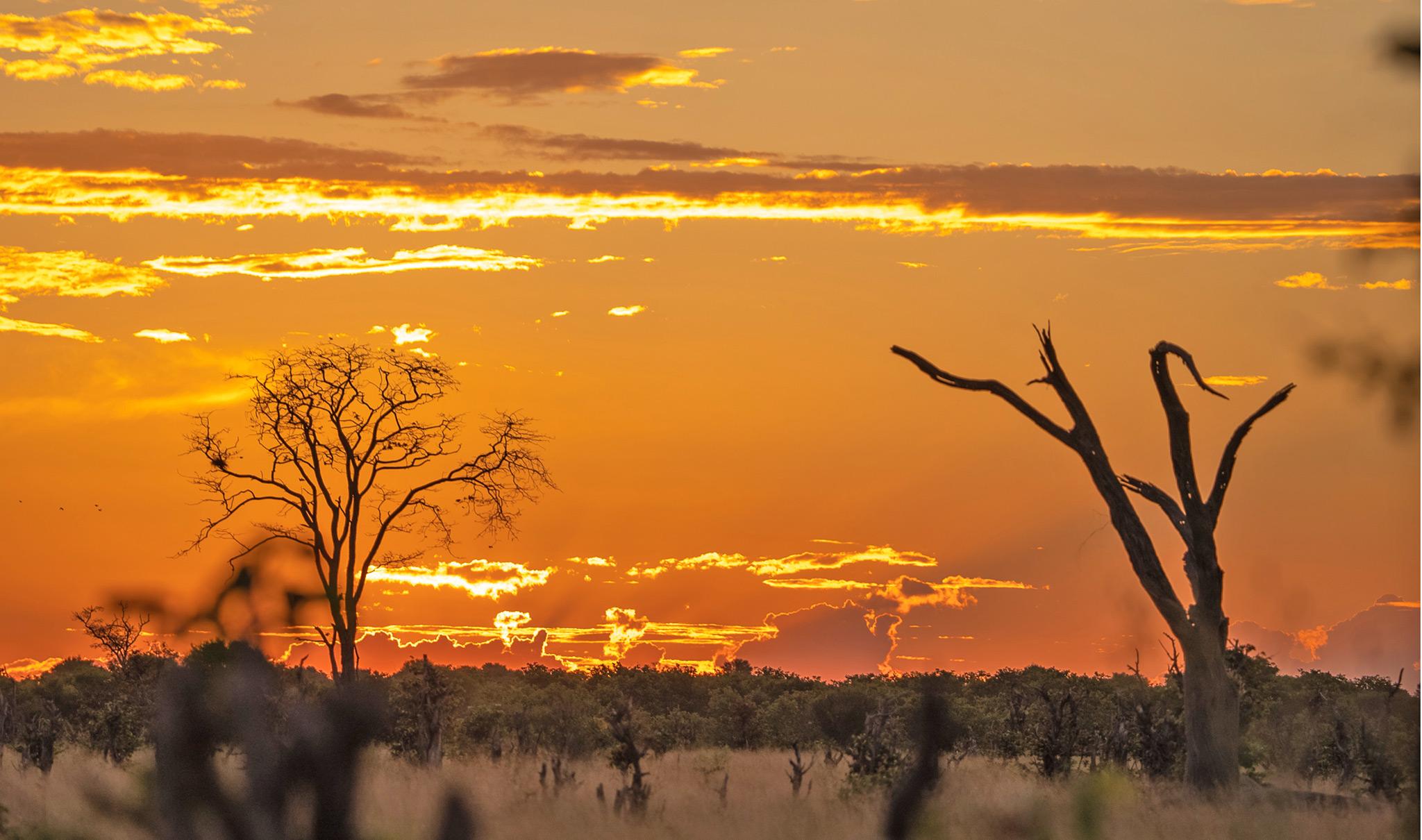
Watching elephants wade through the shallows at sunset is not only truly iconic but one of Africa’s most unforgettable sights.
Kruger, in contrast, is defined by its sheer variety. Covering an area nearly the size of Wales, it encompasses an impressive mosaic of ecosystems.
Dense bushveld in the south gives way to grasslands in the central regions, while granite boulders dominate the northern plains. This diversity ensures not only a constantly changing backdrop but also rich wildlife encounters.
Kruger delivers a quintessentially African panorama that feels endlessly expansive and ever-changing.

Safari Style & Type of Experience
No safari is like another, and safari experiences vary widely, from mobile camping under the stars to comfortable lodge stays. Mobile camping offers an authentic, immersive adventure that allows you to venture deep into remote wilderness areas.
Lodge safaris, on the other hand, provide convenience, comfort, and structured activities. Having the choice of these options allows you to tailor your safari according to preferences.
You can even have it both: adventure and ease, proximity to nature and an environment with all the creature comforts.
Chobe
Often including the Okavango Delta, safaris to Chobe allow travellers to experience Botswana on land, water and from the air. One such itinerary is the lodge-based Chobe & Okavango Delta that caters to active travellers.
After arriving by air, you will explore the Okavango Delta on guided boat cruises, mokoro excursions and a walking safari. The safari’s second leg takes you to Chobe, where you will explore different parts of the park in a 4×4.
Another option taking in land, water and air is the 9-day Safari Authentic. This mobile camping safari includes a flight over the Okavango Delta, a mokoro trip and a boat cruise. With accommodation in serviced camps, this itinerary promises to be immersive and authentic without compromising on comfort.

Kruger
Thanks to its accessibility, Kruger National Park is well-suited for family-friendly safaris and self-drive adventures. Unlike Chobe, self-drive routes are easy to navigate.
Kruger’s excellent road networks are matched by its wide choice of lodges and camps catering to all budgets. Wildlife sightings are frequent, even for inexperienced self-drive visitors.
Those seeking an in-depth experience and expert knowledge can arrange guided itineraries. They often leave from Johannesburg and are mostly lodge-based to ensure comfort while also offering a sense of adventure.
The park’s excellent infrastructure makes it the perfect choice for first-time visitors and families.
Get in touch if you are looking to combine convenience with the thrill of observing Africa’s animals in their habitats. Our sister company in South Africa will help you design your quintessential Kruger Experience.

Best Times to Visit
Timing your safari can make a significant difference to the experience. In Chobe, the dry season from May to October is widely considered the best time to visit.
As water sources diminish, herds of elephants, buffalo, and other wildlife congregate along the Chobe River, offering spectacular viewing opportunities. At the same time, the clear skies and cooler temperatures make game drives and boat safaris particularly enjoyable.
Kruger, by contrast, is a year-round destination. While wildlife can be seen at any time, the winter months – June to September – are generally regarded as peak season.
The thinning vegetation makes it easier to spot animals, and the cooler climate is ideal for full-day game drives. The summer months (December-February), on the other hand, bring lush landscapes, newborn animals, and excellent birdwatching, particularly for migratory species.
The perfect choice ultimately depends on whether you prefer Chobe’s dramatic wildlife gatherings or Kruger’s more varied seasonal experiences.

Tourist Density & Malaria Risk – Chobe National Park vs Kruger
When planning a safari, both visitor numbers and health considerations should be kept in mind. Chobe National Park can feel busy around the riverfront near Kasane.
This is particularly true in peak season, when boat cruises and game drives are in high demand. However, venturing deeper into the park or exploring less-travelled routes often provides a greater sense of solitude.
Being larger and overall more accessible, Kruger attracts significantly higher numbers of tourists, especially in the southern regions. While the park’s size ensures quieter options for those who seek them, popular camps and rest areas can become crowded.
Both parks fall within malaria zones, so appropriate precautions are strongly recommended. The actual risk is considered low for well-prepared travellers using insect repellent and wearing long sleeves in the evenings.
Prophylactic medication should be considered, especially when advised by a healthcare professional. Please contact your healthcare professional and discuss your options.
Which Safari Destination is Right for You?
While both Chobe and Kruger promise unforgettable adventures, your ideal safari depends on what you value most. Are you after vast herds and unique river experiences, or do you prefer accessible infrastructure and family-friendly options?
Choose Chobe
Chobe is the perfect choice for anyone drawn to the spectacle of large herds and the tranquillity of river-based safaris. Boat cruises on the Chobe River are a real highlight.
Apart from allowing close encounters with hippos, crocodiles, and birdlife, they offer a unique perspective of elephants drinking at sunset. Game drives across the floodplains and savannah add variety, with lions, leopards, and buffalo frequently spotted.
Compared to other destinations, Chobe can also be a good choice regarding safari cost & value for money. Here you can have authentic types of safari experiences without requiring a luxury budget.
While lodges and camps are available, many visitors opt for mobile camping to add a sense of adventure and immersion. This makes Chobe an excellent choice for a safari that feels both authentic and rewarding.
Here, you can experience the magic of southern Africa close to nature and with intimate wildlife encounters.

Choose Kruger
If you are a first-time safari-goer or travelling with family, then Kruger National Park is the right choice for you.
With its well-established infrastructure, it offers a perfect balance between adventure and convenience. Thanks to an extensive road network, self-drive safaris are a particular advantage here.
They allow for flexibility and independence, while guided tours are available for those seeking expert insight. Whether on your own or a guided experience, sightings of the Big Five, wild dogs, and cheetahs are frequent.
Families will appreciate the choice of accommodation, from affordable rest camps to luxurious private lodges with child-friendly facilities.
While Kruger can be busier than Chobe, its size means you can always find quieter areas, especially in private concessions.
Kruger delivers a well-rounded safari experience – ideal for anyone looking for accessibility, variety, and a welcoming introduction to Africa’s wildlife.
Some Popular Tours that take you to Chobe National Park:

Botswana Fly-In Safari
Places Victoria Falls, Chobe National Park, Khwai Region, Okavango Delta
from 4,920 USD per person sharing
Conclusion: Still Not Sure whether to choose Chobe or Kruger? Let’s Plan It Together
Deciding between Chobe National Park vs Kruger is no easy task. After all, both parks offer extraordinary yet very different types of safari experiences.
Chobe excels in dramatic elephant encounters and boat safaris, while Kruger stands out for accessibility, infrastructure, and abundant wildlife.
Still unsure about which destination is right for you? Get in touch with our experts – they are here to help design the perfect safari tailored to your needs.
From family-friendly adventures to immersive wilderness journeys, our team can guide you towards the destination that matches your ideas.
Botswana Experience and South Africa Experience work together to craft seamless multi-country safaris and achieve the ultimate African experience.
Author: Christina Leitner