on Google


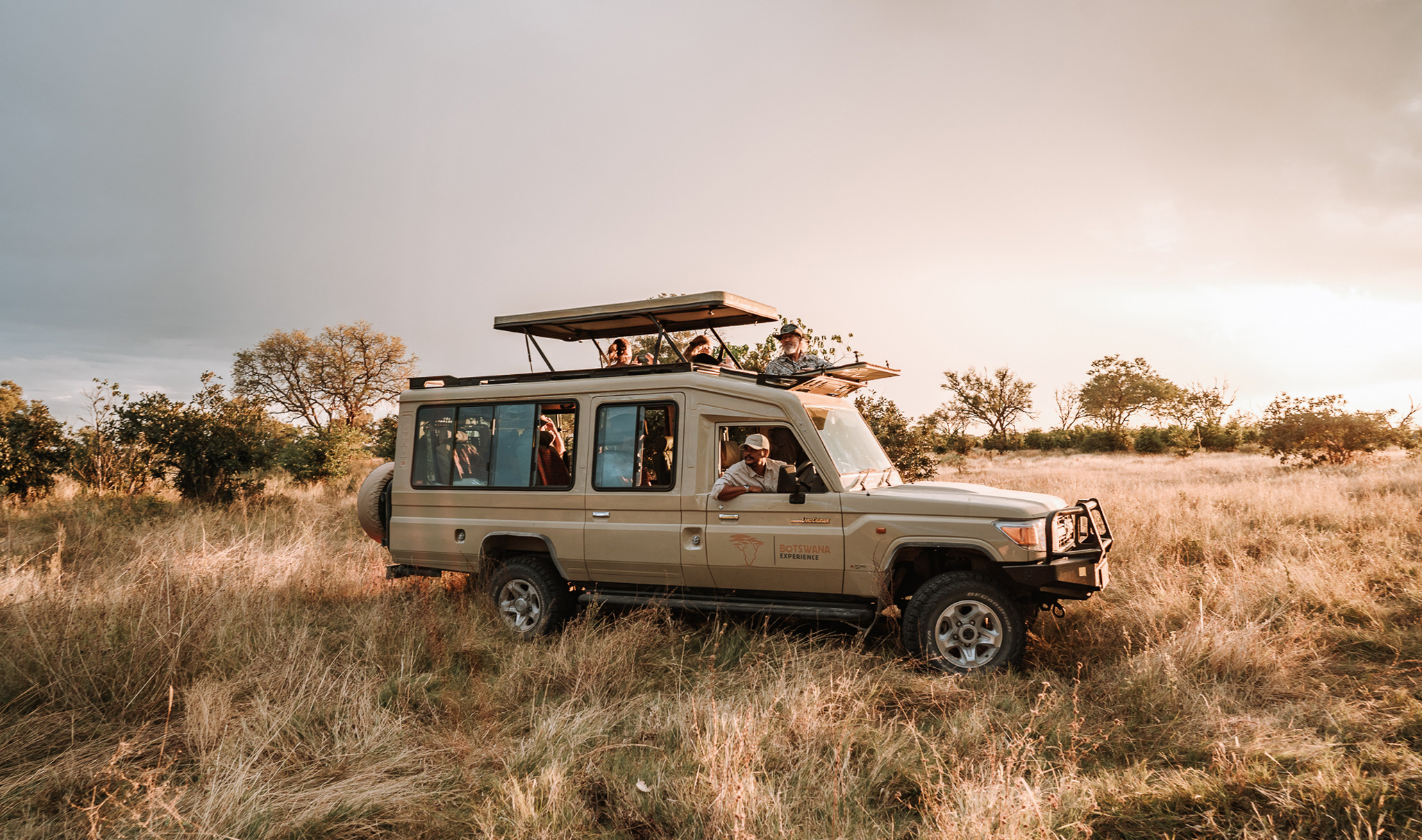
A safari in Botswana is one of Africa’s most exclusive wildlife experiences. Known for its pristine wilderness and low-impact tourism model, Botswana focuses on high-quality, sustainable safari experiences rather than mass tourism.
This means you can expect exceptional guiding, intimate camps, and unparalleled wildlife encounters. Therefore, Botswana safari cost often comes at a premium, however, it may vary depending on where, and how you travel.
Seasonal fluctuations also make a substantial difference. While travelling in peak season – from June to October – brings perfect conditions and abundant wildlife, costs are significantly higher.
For realistic cost estimates, it is important to consider potential hidden expenses in addition to the core package rates. These include fees for visas and parks, gratuities, and optional activities like mokoro excursions or helicopter flights.
Understanding all these elements in advance will help you budget realistically and choose the right safari experience for your preferences. Read on to find out more about prices and the factors that influence them.
6 Factors Influencing the Cost of a Botswana Safari
The cost of a Botswana safari depends on several key variables. Other than travel dates, these include the level of accommodation, length of stay, group size, and preferred activities. How you choose to travel between destinations is another decisive factor.
Length of Stay
Your total safari cost naturally increases the longer you stay, but longer safaris are often better value per day. Many lodges offer lower nightly rates for multi-night stays, while long-stay packages may include complimentary activities or transfers.
A shorter safari will reduce overall expenses but can feel rushed. This is especially true in extensive areas with diverse ecosystems such as the Okavango Delta or Chobe National Park.
Staying longer allows you to dive deeper. You explore multiple regions, enjoy varied activities, and increase your chances of exceptional wildlife sightings. Ultimately, a well-balanced itinerary of six to ten days offers the best combination of experience and value.

Type of Accommodation
Accommodation is one of the biggest cost drivers in Botswana. Options range from classic tented camps to ultra-luxury glamping and lodges featuring private plunge pools, fine dining, and game-viewing decks.
Mid-range camps provide comfort without excessive frills, while budget-friendly lodges outside national parks offer simpler amenities.
High-end lodges in private concessions command premium prices due to their remote locations, and limited guest numbers. Guests at these luxury lodges can expect exceptional guiding standards in addition to bespoke services and safari experiences.
Ultimately, your choice of accommodation determines not only the level of comfort but also the style of safari experience. Depending on your preferences – and your budget – you can choose from rustic adventure to indulgent luxury.
Location of the Accommodations
The location of your accommodation plays a major role in the final cost. Camps inside private concessions or remote areas of the Okavango Delta are typically more expensive.
This is due to exclusivity, as well as limited vehicle density, and the logistical challenges of operating in isolated environments.
Waterfront locations, private islands, and seasonal floodplains often command higher rates because of exceptional scenery and wildlife density. Lodges in or near national parks such as Chobe or Moremi may be more affordable, though still not inexpensive.
Choosing your location carefully ensures you balance accessibility, cost, and the type of safari experience you’re seeking.
Group Size
Travelling as part of a group can significantly reduce per-person costs, especially when booking private vehicles, guides, or charter flights. Larger groups often qualify for group rates at lodges or for private-tour discounts.
Solo travellers, on the other hand, may face single supplements, which can add considerably to the total cost. Joining a small-group safari could help in reducing costs, while still giving you access to high-quality guiding and well-planned itineraries.
Couples and small families generally fall somewhere in between. If budget is not a main concern, you can opt for a tailor-made private itinerary or a luxury safari.
When You Want to Go
Botswana has distinct travel seasons that strongly influence pricing. Peak season, from June to October, offers excellent wildlife viewing as animals concentrate around shrinking water sources. Consequently, it is also the most expensive time to visit.
Shoulder seasons – April/May and November – can provide good value, combining good sightings with fewer visitors and more moderate rates. December to March is the green season. It brings lush landscapes, dramatic skies, and birdlife in abundance.
While prices are often significantly lower during that time, wetter conditions may affect accessibility in some areas. In the end, the season you choose for your journey will impact your price – and your overall experience.
How You Want to Get Around
Transport is another major factor impacting Botswana trip costs. Many camps are accessible only by light aircraft, and these scenic flights, while spectacular, increase the overall budget. Road transfers may be more economical, but they are only feasible in certain regions and can take significantly longer.
Private charter flights and fly-in safaris offer flexibility but come at a premium. If you prefer a more economic approach, you may want to check out our small group safaris. These are designed to have guides and camps travelling with you from one location to the next.
Favorite Tours:
Okavango Delta Fly-In Safari
Places Okavango Delta
from 1,670 USD per person sharing

Fascinating Botswana
Places Khwai Region, Moremi Game Reserve, Savuti Region, Chobe National Park, Victoria Falls
from 4,950 USD per person sharing
Typical Botswana Safari Prices by Travel Style
Being known for its sustainable and upmarket approach, Botswana still offers a range of safari experiences. Apart from ultra-luxury lodges, these include budget-friendly camps and mobile camping safaris.
The following overview gives average costs to help choose an option that suits both your interests and budget.
- Budget Safaris: $195 to $300 per person, per night. Basic lodges or tented camps with shared facilities; limited inclusions, often road self drive.
- Mid-Range Safaris: $320 to $720 per person, per night. Comfortable lodges or luxury tented camps, with most meals, guided game drives, and some park and conservation fees included.
- Luxury Safaris: $350 to $1000+ per person, per night. High-end lodges with private viewing decks, plunge pools, fine dining, and personalised guiding.
- Fly-in Safaris: $550 to $1000+ per person, per night. Includes moving between camps by vehicle or light aircraft.
Contact our travel experts on the ground in Botswana to find an adventure that is both memorable and financially transparent.
Hidden Costs to Watch Out For
When planning a Botswana safari, be aware of additional costs that may not be included in your initial package. Internal flights between camps, for example, can significantly increase the initial price.
They may, however, be necessary, especially if you want to reach remote regions that rely on light aircraft.
Park and concession fees are another essential expense, they are often included in your safari itinerary, but be thorough and check if they are included in the offer you receive. They are usually charged per person per night and vary depending on the area.
Helicopter flight or other optional add-ons like mokoro or boat safaris, further impact the price.
Don’t forget about gratuities for guides, trackers, and camp staff. Tipping on safari is customary and can add up over the course of a longer itinerary.
Finally, consider personal expenses like insurance, laundry services, shopping, and premium drinks, which may not be included in lodge rates.
Being aware of these potential extras will help you plan more accurately and avoid unexpected surprises.

How to Save Money on Your Botswana Safari
Although Botswana is known as a premium safari destination, there are several ways to enjoy its wilderness without overspending. Travelling during the shoulder or green seasons can offer excellent value, with lower rates, fewer visitors, and beautiful scenery.
Choosing more accessible parks like Chobe over private concessions or remote regions like the Central Kalahari can also reduce costs.
With costs for vehicles and guides shared among guests, small-group safaris are another effective way to keep expenses down.
Mobile camping safaris offer an immersive alternative to lodge-based itineraries, but they are not necessarily more budget-friendly, as they provide an exclusive experience with a private camp that moves with you and your group. The tents are spacious and come with en-suite bathrooms.
Generally, limiting internal flights by combining nearby camps or selecting road-accessible properties will help bring costs down. As a final tip, booking well in advance or taking advantage of long-stay discounts can make a real difference.
With thoughtful planning, it’s entirely possible to experience Botswana’s exceptional wildlife without stretching your budget beyond comfort. Get in touch with our travel experts to start planning today.
FAQs about Botswana Safari Costs
How much does a Botswana safari cost per day?
The daily cost of a Botswana safari can vary significantly depending on travel style, accommodation, and included activities. Budget travellers may spend around $190 to $300 per person per day. This is for stays in basic lodges or tented camps with shared facilities.
Mid-range safaris generally cost $320 to $720 per day, with stays in comfortable lodges. These prices include guided game drives, most food and drinks, and some park fees.
Luxury options in exclusive camps exceed $840 per person per day, usually including private guides, fine dining, and scenic flights.
What’s the cheapest way to go on safari in Botswana?
The most economical way to experience Botswana is by joining a small-group safari and travelling during shoulder or green season. Budget lodges help reduce costs, as do road transfers instead of flights.
Accessible regions like Chobe can be cheaper than remote private concessions, which often require expensive flights.
Booking packages that include food and drinks as well as transfers helps avoid unexpected extras, as does planning ahead.
Are Botswana safaris more expensive than in Kenya or Tanzania?
Yes, Botswana safaris prices are generally considered more expensive than those in Kenya or Tanzania. Botswana follows a low-volume, high-quality tourism model, prioritising exclusivity, conservation, and minimal impact on the environment.
Lodges often host fewer guests and operate in remote, hard-to-reach locations, which increases operational costs. Kenya and Tanzania offer a wider range of mid-range and budget options.
Here, potentially larger group tours and higher-density camps bring down the per-person cost. Botswana’s higher prices translate into smaller groups with personalised guiding, making it a premium destination for those seeking intimate experiences.

What’s included in Botswana safari prices?
Botswana trip costs typically include accommodation, daily meals, guided game drives, and transfers between camps.
Luxury and mid-range lodges often provide additional services such as laundry, evening drinks, and private viewing decks. Certain packages may also include activities like mokoro excursions, walking safaris, or scenic flights.
The following things are generally excluded from safari prices: International flights, gratuities for staff, and personal expenses for beverages, souvenirs, travel insurance and visas.
Always check the fine print before booking, as inclusions vary between lodges and itineraries. Knowing what is and isn’t included ensures accurate budgeting and avoids surprises
Do I need to tip my guide, and how much?
Tipping is customary in Botswana and an important way to acknowledge exceptional service at the end of your stay.
Standard guidelines suggest tipping a guide $10 to $25 per person and day, depending on the level of service. If you are traveling on a luxury safari, your tip will generally be higher.
Lodge staff should be tipped around $10 to $15 per person, per day. In luxury lodges or private concessions, tips may be higher.
While tipping is discretionary, it is expected and contributes significantly to staff income. Preparing small denominations in US dollars or Pula, the local currency, helps.
Many lodges provide guidance on recommended amounts based on the safari length and group size. When you make your booking, our travel experts will gladly provide you with guidance on this subject
When is the best time of year to visit Botswana on a budget?
Travelling during the shoulder or green seasons is the most budget-friendly way to visit Botswana. The shoulder months – April/May and November – often provide moderate prices, fewer crowds, and pleasant weather. The green season, from December to March, brings lush landscapes, spectacular birdlife, and occasional wildlife sightings.
While rates are usually lower than peak season, some remote camps may be inaccessible during heavy rains. Peak season in Botswana is from June to October. These months are best for wildlife sightings, which also makes them the most expensive.
By choosing off-peak periods, you can enjoy a high-quality safari experience while taking advantage of lower rates and special promotions.

Are park fees included in the safari cost?
Park or concession fees are included in our standard safari packages. However, some operators leave them out, making their tours appear cheaper than they really are. This can lead to unexpected costs later, especially if you only discover the missing fees once you arrive. So be sure to compare carefully and review offers from several operators.
These fees are normally charged per person, per night, and the amount varies by national park or private concession. They help fund access to wildlife areas, facility maintenance, and essential conservation work.
Always confirm with your tour operator or lodge which fees are included and plan for any additional costs in your budget.
Is Botswana worth the high safari prices?
Botswana is absolutely worth the higher costs for a safari. While it may be more expensive than many other African safari destinations, it offers unrivalled quality and exclusivity.
Low visitor density ensures minimal crowds, while remote lodges and private concessions provide intimate wildlife experiences. The country’s commitment to conservation and sustainable tourism preserves pristine habitats, which supports healthy wildlife populations.
For travellers seeking a truly immersive and memorable safari, the higher costs are justified by exceptional service and unique locations. Combined, these aspects ensure a once-in-a-lifetime experience and memorable exclusive encounters with Africa’s extraordinary wildlife.

Conclusion – Planning Your Botswana Safari Cost Wisely
Botswana offers a safari experience like no other, but the costs involved can be daunting if not planned carefully. By understanding prices, you can make informed decisions that allow you to enjoy a high-quality adventure without unnecessary overspending.
It is important to be aware of hidden costs in addition to core costs. These include costs for visas and insurance as well as tips for staff – and often catch travellers by surprise.
Working with experienced travel consultants can help you balance cost and experience, ensuring that every dollar is well spent. With careful planning, you can access Botswana’s incredible wildlife, untouched landscapes, and expert-guided safaris without compromising comfort or safety.
Ultimately, a thoughtfully budgeted safari allows you to focus on what matters most – memorable wildlife encounters and an immersive adventure.
Get in touch today to find a Botswana safari that fits your style and doesn’t stretch your budget. Chat to our travel experts to plan ahead or even design your own tailor-made itinerary, all without breaking the bank.
Author: Christina Leitner