on Google


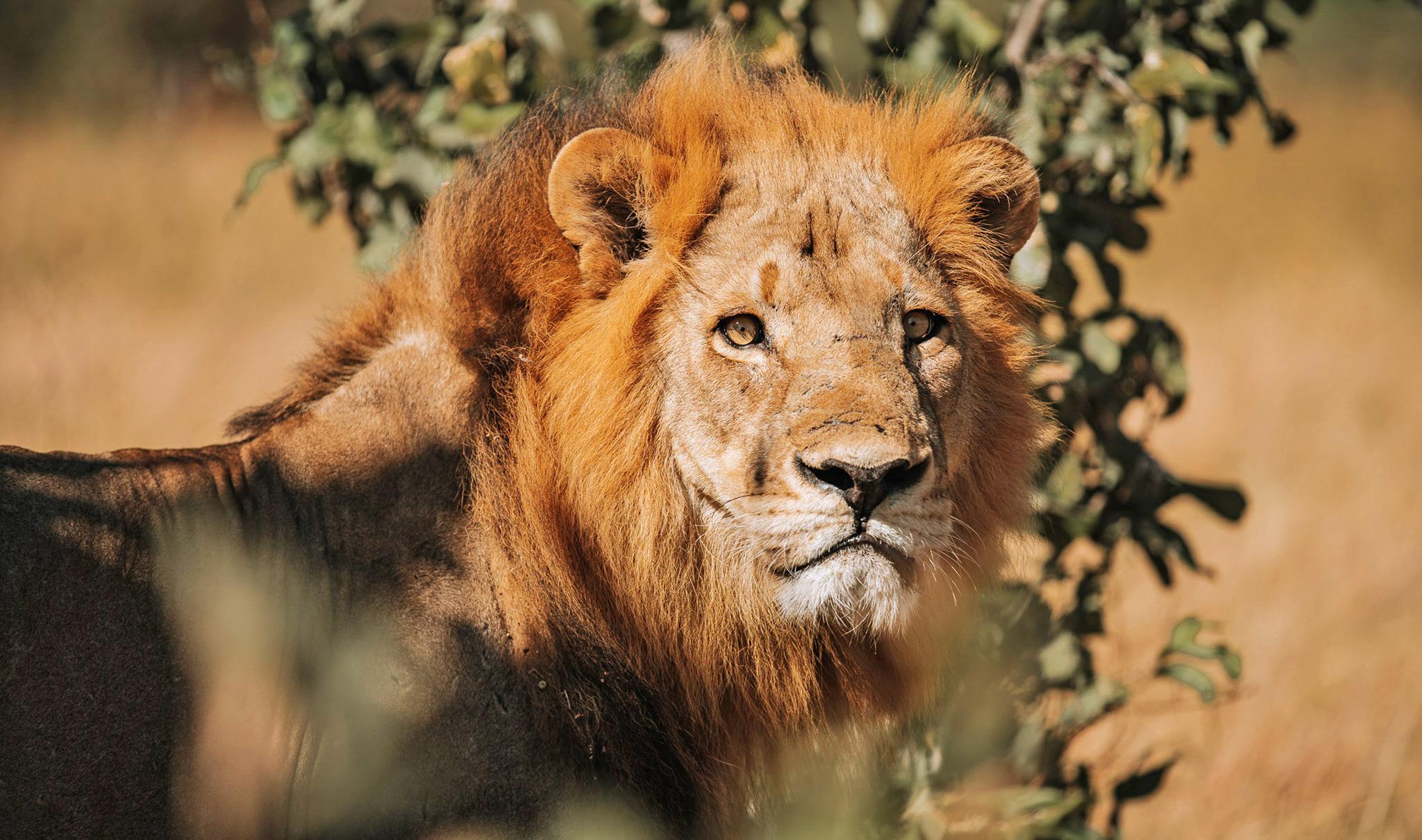
Botswana is home to some of Africa’s most remarkable wildlife, and especially famed for its elephants and big cats. Having adapted to diverse habitats, Botswana lions are renowned for their size, resilience, and unusual behaviours.
The Okavango Delta lions in particular have earned a formidable reputation for their strength. Due to their ability to hunt large prey, including buffalo, they are at times referred to as “super lions”.
Female Botswana lions are occasionally known to come with manes, a rare phenomenon that is linked to hormonal variations. They also display unique behavioural traits, such as cooperative hunting strategies and, even rarer, impressive swimming abilities in delta regions.
Seasonal flooding has encouraged some prides to become confident swimmers, allowing them to pursue prey in waterlogged terrain.
Apart from environmental adaptations, it’s also their size and behaviour that sets them apart from other lion populations across Africa. Read on to find out more about the defining characteristics of Botswana’s lions.
Are There Lions in Botswana? Population & Distribution
Botswana is one of Africa’s key strongholds for lions, supporting a significant and relatively stable population. They are widely distributed across the country’s national parks and reserves, where they are a highlight of every safari experience.
How Many Lions Are in Botswana?
Botswana is home to one of the largest lion populations in Southern Africa. With estimates ranging between 3,000 and 3,500 individuals, the country is considered a stronghold for lion conservation. While largely due to relatively low human population density, this is also thanks to an extensive network of protected areas.
While they remain comparatively stable within the country, lions in Botswana are classified as vulnerable, reflecting broader declines across Africa. National parks and game reserves play a crucial role in safeguarding their numbers across their vast, undisturbed habitats.
Continued conservation efforts, including anti-poaching measures and habitat protection, are essential to maintaining Botswana’s status as a refuge for lions.
Where to See Lions in Botswana
Botswana offers several prime locations for observing lions in their natural environment. The Okavango Delta is perhaps the most iconic: Here, lions that have adapted to seasonal flooding are known for their unusual swimming behaviour. The region provides dramatic sightings year-round, with particularly good chances during the dry season when wildlife congregates on higher ground.
Within the Delta, Moremi Game Reserve is a popular choice due to its diverse habitats and reliable predator sightings.
Chobe National Park is another excellent destination, especially along the Chobe River, where dense wildlife populations attract large prides. As part of the greater Chobe ecosystem, the Savuti region is famed for its powerful lion prides.
The lions in this part of Botswana have developed specialised hunting techniques, and they will even take down elephants.
Together, these regions showcase the remarkable diversity and adaptability of Botswana’s lions. Whether in the floodplains of the Delta or the open landscapes of Chobe, each setting provides unique encounters.
When Is the Best Time to See Lions in Botswana
The best time to see lions in Botswana is during the dry season, which typically runs from May to October. During this period, water sources become scarce, causing wildlife to gather around rivers, waterholes, and remaining floodplains.
Increasing the availability of prey, this concentration of animals naturally attracts predators, making sightings more likely.
Vegetation is also less dense in the dry months, which is another aspect in favour of animal sightings. Cooler temperatures, particularly in the early mornings and evenings, coincide with peak lion activity, further increasing the chances of sightings.
In contrast, the wet season brings lush landscapes and dispersed wildlife, making lions harder to locate. However, this time of year has its own appeal.
The scenery is at its most vibrant, many animals give birth, and birdlife is especially abundant. If you value lush landscapes, fewer crowds, and more intimate experiences, the wet season can still be highly rewarding.

Okavango Delta Lions: What Makes Them Special
The lions of the Okavango Delta stand apart from other African populations due to their remarkable adaptability and distinctive behaviours. Shaped by a unique and ever-changing environment, they have evolved to thrive where few others could.
Okavango Delta Lions vs Normal Lions
Lions in the Okavango Delta differ noticeably from those found in more typical savannah environments. Unlike “normal” lions that rely on dry land hunting, Okavango lions must navigate wetlands, seasonal floods, and shifting islands.
This environment has shaped their instincts, making them more versatile predators capable of adjusting their strategies. As a result, they differ both in terms of physique and behaviour: Physically, they tend to be robust, with some prides developing strong swimming abilities – an uncommon trait among lions elsewhere.
Behaviourally, they are more adaptable and often display greater cooperation when hunting in challenging terrain.
In short, the lions of the Okavango Delta stand out as a remarkable example of adaptation in the wild.
Island Lions and Wetland Adaptations
Due to the fragmented landscape they inhabit, Okavango Delta lions are sometimes referred to as “island lions”. Unlike most other lions, they inhabit a territory shaped by channels, lagoons, and temporary islands formed by seasonal flooding.
Their movements are influenced by rising and receding water levels, which reshape boundaries and access routes. This fluid environment requires constant adjustment, encouraging problem-solving and resilience.
Consequently, the Okavango Delta lions have adapted remarkably well to hunting in water, often wading or swimming to pursue prey. Their behaviour reflects a rare level of flexibility not commonly seen in lion prides elsewhere in Africa.

The Legendary Okavango Super Lions
Among Botswana’s lion populations, those of the Okavango Delta have earned a particularly formidable reputation. Their strength, hunting prowess, and dramatic encounters with large prey have led to their description as “super lions”.
What Are Super Lions?
The term “super lions” is often used to describe the exceptionally powerful and resilient lion prides of the Okavango Delta. While not a scientific classification, it reflects their reputation for tackling formidable prey and surviving in a demanding environment.
These lions are known for hunting large and dangerous animals, including buffalo and, on rare occasions, young hippos or elephants. Their strength lies not only in physical size but also in teamwork, coordination, and persistence.
Over time, their remarkable hunting success and adaptability have contributed to their legendary status. With some luck, it can be witnessed live in action on any Okavango Delta safari, such as our Fascinating Botswana.
Duba Plains of Botswana’s Okavango Delta Lions
The Duba Plains region in the Okavango Delta is home to some particularly famous lion prides. They have gained international attention for their intense confrontations with buffalo herds, showcasing both strategy and raw power.
The area’s unique floodplain environment creates ideal conditions for such encounters, drawing filmmakers and researchers from around the world. Several documentaries have captured these prides in action, highlighting the constant struggle between predator and prey.
As a result, Duba Plains has become synonymous with some of the most compelling and well-known lion stories in Africa.
These dramatic interactions have also made the region a key site for studying predator behaviour in challenging wetland ecosystems. Over time, the Duba prides have become emblematic of the resilience and adaptability that define Okavango Delta lions.
Okavango Delta Lion Size, Weight & Strength
Botswana lions, particularly those of the Okavango Delta, are widely regarded as some of the most powerful in Africa. Their demanding environment and challenging prey have contributed to impressive physical development, making them formidable predators.
Okavango Delta Lion Weight
Lions in the Okavango Delta are significantly heavier and larger than the average African savanna lion. Where the typical male lion averages 180 to 220 kg (395 to 485 lbs), they often reach weights of 240 kg (530 lbs) and more. There have even been reports of large males reaching an incredible 375 kg (825 lbs).
Females are generally lighter but still robust compared to lionesses elsewhere. The availability of large prey and the need for strength in wetland hunting conditions contribute to an overall heavier build. Interesting side fact: Lions can go without eating for over a week, and then consume up to 50 kg (110 lbs) in one meal. This will cause an immediate – but temporary – increase in weight.
Okavango Delta Lions Size Comparison
When compared with their counterparts elsewhere, Okavango Delta lions often appear more muscular and solidly built. This is partly due to their diet, which frequently includes large and challenging prey like buffalo.
In addition, their bodies are adapted for power rather than speed. Their strong limbs and broad chests are made to aid in grappling with prey in difficult terrain.
While East African lions may be slightly taller or leaner, Okavango lions are typically stockier. It is a reflection of the physical demands of their environment and the need for endurance and strength.

Female Lions with Manes: A Rare Phenomenon
Among the many unique traits observed in Botswana lions, the occurrence of females with manes is particularly intriguing. Apart from adding to the distinctiveness of the region’s lion populations, this rare feature also draws scientific interest.
Female Lion with Mane Explained
In certain parts of Botswana, some female lions have been observed developing manes. Less pronounced than male lions’ manes, they can vary from light and sparse to more intense growth around the neck.
Along with their manes, the respective females may display slightly more dominant or assertive behaviours, though they remain biologically female.
Outside the Okavango Delta, maned females are highly unusual; it remains a characteristic typically associated with males. Despite their appearance, maned lionesses continue to function within prides in much the same way as their counterparts without manes.
Why Do Female Lions Grow Manes?
While this phenomenon is not yet fully understood, the unusual growth is believed to be caused by high testosterone levels. This hormonal variation can influence both physical traits and behaviour, resulting in mane growth and occasionally more traditionally “male-like” tendencies.
Environmental influences, such as stress or genetic factors, may also play a role, although research is still ongoing. Some scientific theories suggest that these traits could offer advantages in dominance or territorial defence. However, the exact causes remain uncertain, and the phenomenon continues to be an area of interest among biologists.

Northern Botswana Lions & Regional Differences
Lions in northern Botswana display a range of behaviours shaped by the region’s varied landscapes. From wetlands to dry savannahs, these environmental differences influence how prides live, hunt, and interact.
Northern Botswana Lions Behaviour
Northern Botswana lions are known for their adaptability and cooperative hunting strategies. In areas like Chobe, prides often work together to bring down large prey, including buffalo, relying on coordination and strength.
Their behaviour can be more dynamic than lions in less demanding environments, with individuals taking on specific roles during hunts.
Social structures remain centred around prides, typically consisting of related females, their cubs, and a coalition of males. However, pride sizes and interactions can vary depending on prey availability and territory.
In regions with abundant food, larger prides may form, while in harsher areas, smaller, more mobile groups are common.
Comparing Different Lion Habitats in Botswana
Botswana’s lions inhabit both wet and dry ecosystems, each presenting unique challenges. In the Okavango Delta’s wetlands, lions must navigate water channels and seasonal flooding, which influences movement patterns and hunting techniques. These conditions often encourage cooperation and adaptability.
In contrast, lions in drier regions such as the Savuti or central Kalahari operate in more open terrain. When visibility is higher and prey more dispersed, this can lead to longer tracking distances and different hunting strategies.
Habitat also affects pride dynamics. Wetter regions often support larger, more stable prides, while drier areas see more fluid group structures caused by limited resources.
Ultimately, in order to survive, lions need to adjust to the vastly different conditions they are subjected to.

Lion Safari Botswana: Where to Experience These Predators
Botswana offers some of the finest safari experiences in Africa. Throughout the country, you’ll find exceptional opportunities to observe predators – and other animals – in their natural habitats.
Best Areas for a Lion Safari in Botswana
While predators can be encountered throughout Botswana’s parks and reserves, the Okavango Delta is a premier destination for lion sightings. Here, you may witness lions displaying rare behavioural adaptations as they navigate waterways and hunt in flooded terrain.
The Moremi Game Reserve, located within the delta, offers consistently rewarding wildlife encounters in a diverse mix of habitats. Its rich ecosystems support healthy lion populations, making sightings relatively frequent.
Chobe National Park, particularly the Savuti region and areas along the Chobe River, is another top location. It is known for large prides and intense predator-prey interactions, especially involving buffalo. The park’s varied environments provide excellent opportunities to observe different lion behaviours.
These areas highlight the diversity of Botswana’s landscapes. What’s more, they offer some of the most memorable lion-viewing experiences on the continent.
Recommended Tours on Botswana-Experience
Below, we have compiled some of the most promising itineraries in terms of lion sightings. Alternatively, talk to our travel experts to get further information on where and when to expect the best encounters.
Small Group Lodge Safari
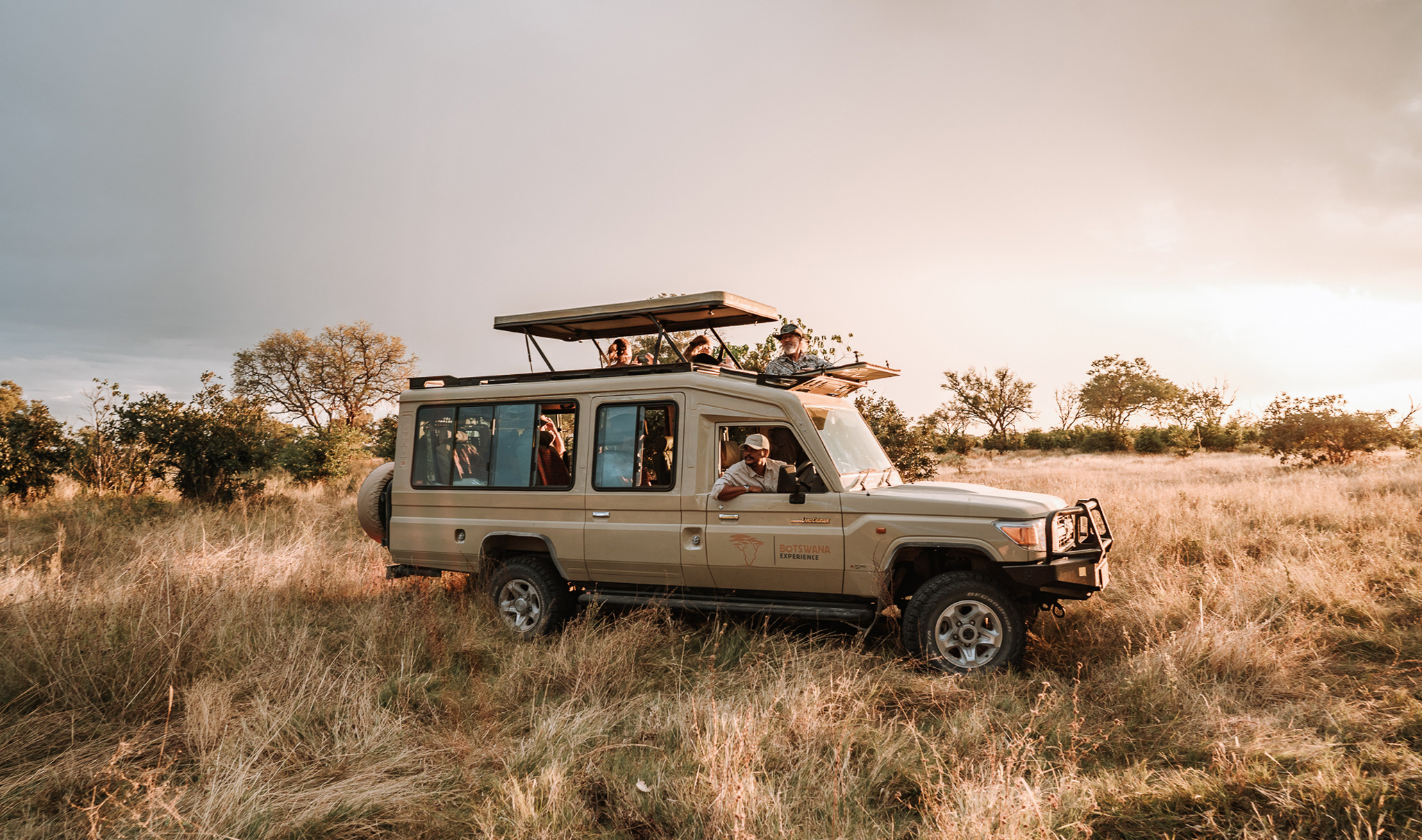
Over 9 days, the Fascinating Botswana itinerary offers a well-rounded introduction to Botswana’s wildlife and landscapes. You’ll be staying in comfortable lodges while exploring key regions such as the Okavango Delta and Chobe. Guided game drives provide excellent chances to observe lions and other species.
The tour’s group character allows for a sociable yet personalised experience. It is an ideal option for those seeking a balance of comfort, expert guidance, and memorable wildlife encounters.
Botswana Highlights Safari
Discover Botswana Highlights on a tailor-made journey designed to showcase the country’s most iconic destinations. With an itinerary customised to your interests and priorities, you can focus on prime lion habitats like Moremi or Chobe.
The flexibility of customised safaris allows for a more personalised pace and exclusive experiences, including private guides and bespoke activities. It is particularly suitable if you are looking for a dedicated, carefully curated lion safari in Botswana.
Guided Mobile Camping Safari
If you are after a truly authentic bush experience, guided mobile camping safaris are your best bet. Over 9 days, the aptly named Safari Authentic moves between remote campsites.
While exploring some of Botswana’s most wildlife-rich areas, you’ll always stay close to nature. Expert guides lead daily game drives, offering opportunities to follow predators and learn about their behaviour in the wild.
The mobile format allows access to less-visited regions, making it ideal for adventurous travellers seeking connection with their environment.
Private Fly-In Safari Botswana
Private fly-in safaris offer a seamless and exclusive way to explore Botswana’s top wildlife destinations. On our Okavango Delta Fly-In Safari, you travel by light aircraft between lodges, maximising time in the bush.
This itinerary provides exclusive access to remote areas of the Okavango Delta, where lion sightings are known to be exceptional. With personalised service, luxury accommodation, and expert guides, it is perfectly suited if you are seeking something special.
It pairs comfort and convenience with truly outstanding wildlife encounters.

Conservation of Botswana Lions
Botswana is widely regarded as a leader in wildlife conservation, and the country’s approach is crucial in protecting lion populations. Nevertheless, these predators still face a number of ongoing challenges that require careful management and sustained effort.
Threats to Lion Populations
Despite Botswana’s strong conservation reputation, lions continue to face significant threats. Human–wildlife conflict remains one of the most pressing issues, particularly in areas bordering protected reserves.
As Botswana lions occasionally prey on livestock, tensions arise with local communities, sometimes leading to retaliatory killings.
Habitat loss is another major concern. Although Botswana retains large tracts of wilderness, expanding agriculture, fencing, and infrastructure development can fragment habitats, restricting natural movement patterns.
Over time, this can isolate prides and consequently reduce genetic diversity.
Additionally, competition for resources and the pressures of climate variability may further impact prey availability, indirectly affecting lion populations.
Addressing these challenges requires ongoing collaboration between conservation organisations, government authorities, and local communities. Community-based conservation initiatives and improved livestock management strategies have already shown promise in reducing conflict in some regions.
Strengthening these efforts, alongside continued research and monitoring, will be critical to ensure that lions and people can coexist sustainably.
Conservation Success in Botswana
Botswana has achieved notable success in lion conservation through strong protection policies and effective wildlife management. A significant proportion of the country’s land is dedicated to national parks, game reserves, and wildlife management areas. These provide safe habitats for wildlife, including lions, to thrive.
The country’s low-density, high-value tourism model also plays an important role. By limiting visitor numbers and focusing on sustainable practices, Botswana manages to reduce environmental pressure while generating revenue for conservation.
This approach not only protects ecosystems but also supports local communities, in turn reinforcing the long-term preservation of lion populations.

FAQs About Botswana Lions
Are there lions in Botswana?
Yes, Botswana is home to a significant population of lions. In fact, it is considered one of the most important strongholds for the species in Africa. Botswana lions are widely distributed across the country’s protected areas, including Okavango Delta, Chobe National Park, and Moremi Game Reserve.
Thanks to strong conservation efforts and vast wilderness landscapes, they continue to thrive in relatively stable numbers. Visitors on safari have excellent opportunities to encounter Botswana lions in a variety of natural habitats.
How many lions are in Botswana?
Botswana’s lion population is estimated to be between 3,000 and 3,500, making it one of Southern Africa’s largest. While lions are classified as vulnerable globally, Botswana has managed to maintain relatively stable numbers due to its conservation policies.
Large protected areas and low human population density contribute to their survival. Ongoing efforts, including habitat protection and community engagement, remain essential to ensuring the long-term stability of lion populations across Botswana.
What makes Okavango Delta lions unique?
Okavango Delta lions are unique thanks to their remarkable adaptations to a wetland environment. Unlike most lions, they are capable swimmers and often hunt in waterlogged terrain shaped by seasonal flooding.
Their behaviour is highly adaptable, and they frequently cooperate to tackle large prey such as buffalo. The shifting landscape of islands and channels influences their movements and territories.
These environmental pressures have shaped a population known for resilience, strength, and unusually versatile hunting strategies.
Do female lions really grow manes?
Yes, in rare cases, you may encounter a female lion with mane. This unusual trail, exclusive to Botswana lions, is typically linked to hormonal variations, particularly elevated testosterone levels.
While remaining fully female, Botswana’s maned females may also display slightly more dominant behaviours. The phenomenon has been exclusively recorded in parts of northern Botswana, and here particularly in the Okavango Delta.
While not common, it has attracted scientific interest and contributes to the distinctiveness of Botswana’s lion populations.
How big are Okavango Delta lions?
Okavango Delta lions are among the largest and most powerfully built in Africa. In general, males commonly weigh 180 to 220 kg (395 to 485 lbs).
Okavango Delta lions reach weights of 240 kg (530 lbs), with some individuals exceeding this range in areas with abundant prey.
Compared to lions in East Africa, they tend to be stockier and more muscular. This is a reflection of the demands of hunting large prey in challenging environments. While generally smaller than their male counterparts, females are still robust and also exceed common weight limits.
What is the best safari to see lions in Botswana?
The best safari for seeing lions in Botswana typically includes destinations in the country’s north. These include the Okavango Delta, Moremi Game Reserve, and Chobe National Park. Each of these offers excellent opportunities for sightings in diverse environments.
The ideal lion safari depends on personal preferences, whether luxury lodges, mobile camping, or private fly-in experiences. Choosing a well-planned itinerary with experienced guides increases the chances of observing lions in action.
To maximise the chance of lion encounters, tailor-made safaris can focus on specific areas.

Conclusion: Why Botswana Is One of the Best Places to See Lions
With its healthy lion population, Botswana stands out as one of the finest destinations for observing lions in the wild. Botswana lions are not only significant in number but also unique in behaviour.
If you are seeking an authentic and memorable lion safari, Botswana offers exceptional opportunities. Thanks to vast protected areas and a low-impact tourism model, sightings are both exclusive and high quality.
Here, you’ll be able to witness these remarkable predators in some of Africa’s most pristine landscapes.
Get in touch with the Botswana-Experience travel experts to start planning your journey today.
Author: Christina Leitner