on Google


Choosing a favourite safari is never easy, especially after more than 20 years in African tourism, but when I think about a Botswana safari from personal experience, mobile camping is the journey that immediately comes to mind. I have been lucky enough to experience many incredible places across Africa, from the open plains of East Africa to the quieter wilderness areas of Southern Africa.
If I had to choose one Botswana journey that still gives me goosebumps, it would be The Great North Route.
This Botswana mobile camping safari is not a polished safari experienced as an outsider. It is raw, remote, adventurous and deeply connected to the bush. You sleep in unfenced wilderness areas, wake to the sounds of the morning, follow tracks with skilled guides and return to camp with stories that still feel alive around the fire.
For me, that is what makes a Botswana mobile camping safari so special. You are not only travelling through famous safari areas such as Chobe, Savuti, Khwai and Moremi. You are living in them for a while. The route takes you through some of Botswana’s most rewarding wildlife regions, with game drives, water-based activities, mobile camps and a final scenic flight over the Delta.

Starting in Chobe: Wildlife From the Water
My recent trip began in Kasane before we moved into Chobe National Park. Chobe is famous for elephants, and rightly so, but what stayed with me most was the feeling of sleeping close to the riverfront, away from the busier rhythm of day visitors. There was a sense of being properly inside the park, not just passing through.
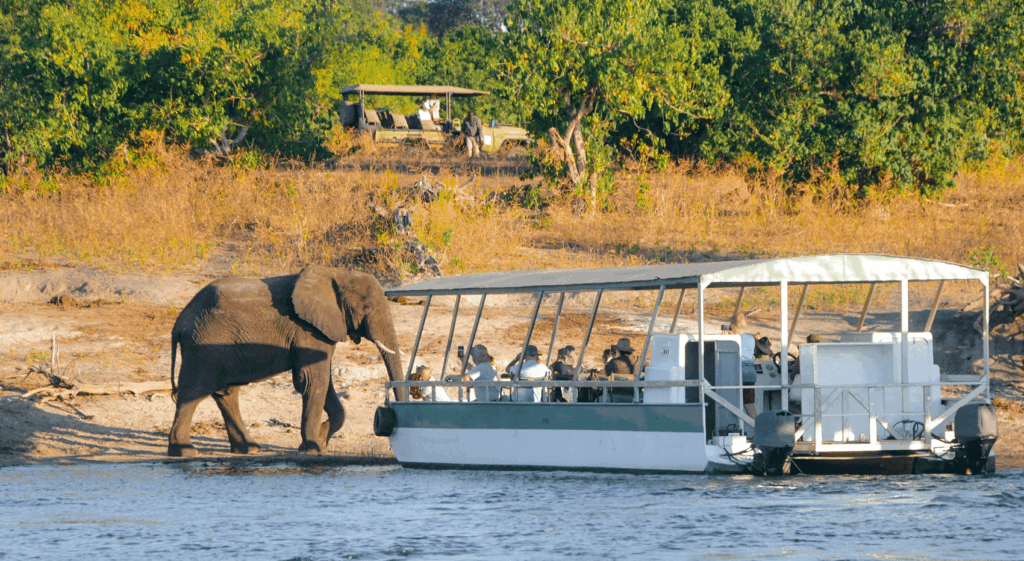
One of my favourite moments in Chobe was the afternoon boat safari. After time in a vehicle, seeing wildlife from the water changes your perspective completely. Animals come down to drink, birds move along the banks, and the river gives everything a slower pace. I love birds, so watching fish eagles flying above us was a real highlight. We did not see a successful hunt, but we saw them swooping down and trying, which was exciting in itself.
That is one of the reasons I enjoy a Botswana mobile camping safari so much. It does not give you only one way of seeing the wilderness. One day you are on a river, the next you are reading tracks from an open vehicle, and later you are sitting in camp listening to the bush after dark.
Savuti: Wild, Raw and Full of Predators
From Chobe, the route continues to Savuti, and for me this was one of the strongest parts of the whole journey. I have spent a lot of time on safari in East Africa, including Tanzania and the Serengeti, but Savuti gave me a new appreciation for how wild Botswana can feel.
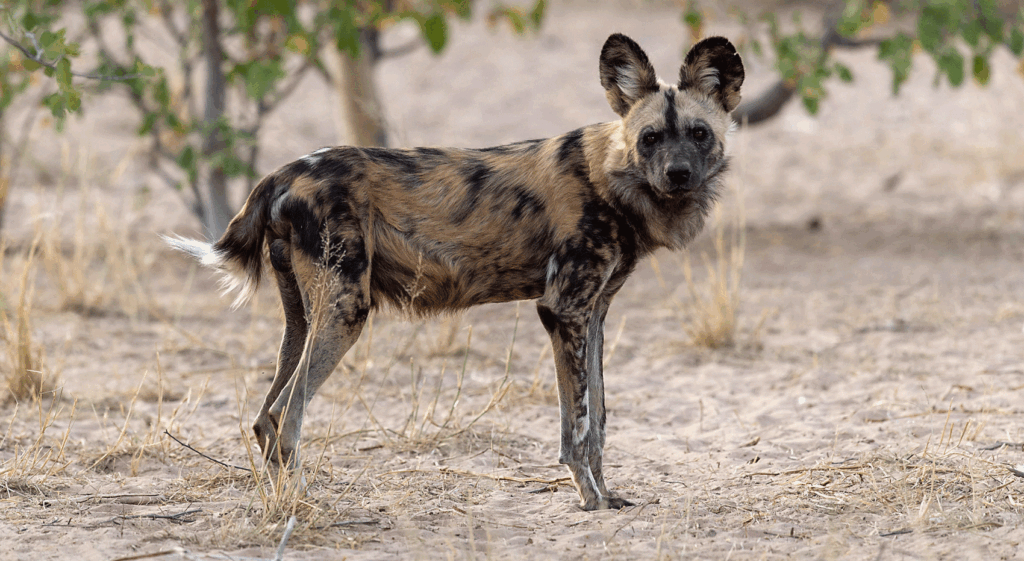
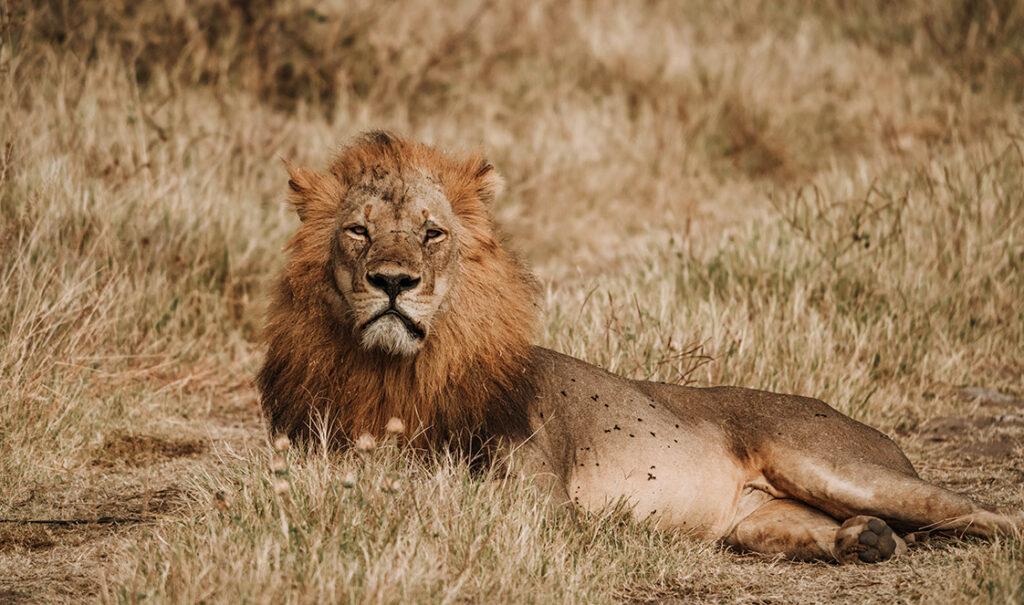
Savuti is part of the greater Chobe region, but it has its own character. The landscape feels intense, and the wildlife encounters can be exceptional. On our trip, the days were full of morning and afternoon game drives, and there always seemed to be something happening. We saw leopards, lions, cheetahs, wild dogs and many elephants moving through the area.
One of the most unforgettable moments involved African wild dogs. We came across a wild dog on the road with blood around its face, so we knew it had hunted. Our guide stopped and said, “Let’s wait. I’m sure it will come back with the family.” A few minutes later, around 20 wild dogs appeared and led us towards their kill. It was just us there, with no other vehicles around.
For me, that was one of those true goosebump safari moments. You cannot plan it. You cannot promise it. But when you are in the right place with the right guide, and you give the bush time, these moments can happen. This is also why Botswana has such a strong reputation for exceptional wildlife encounters.
This is exactly what a Botswana safari from my personal experience should be about: not ticking sightings off a list, but remembering how a place made you feel.
Khwai: A Different Rhythm on the Water
After Savuti, we spent several nights in the Khwai area. At the time, water levels in the Delta were high, so not every route was accessible. But that did not take anything away from the experience. The wildlife was still excellent, and the flooded landscape added another layer to the safari.
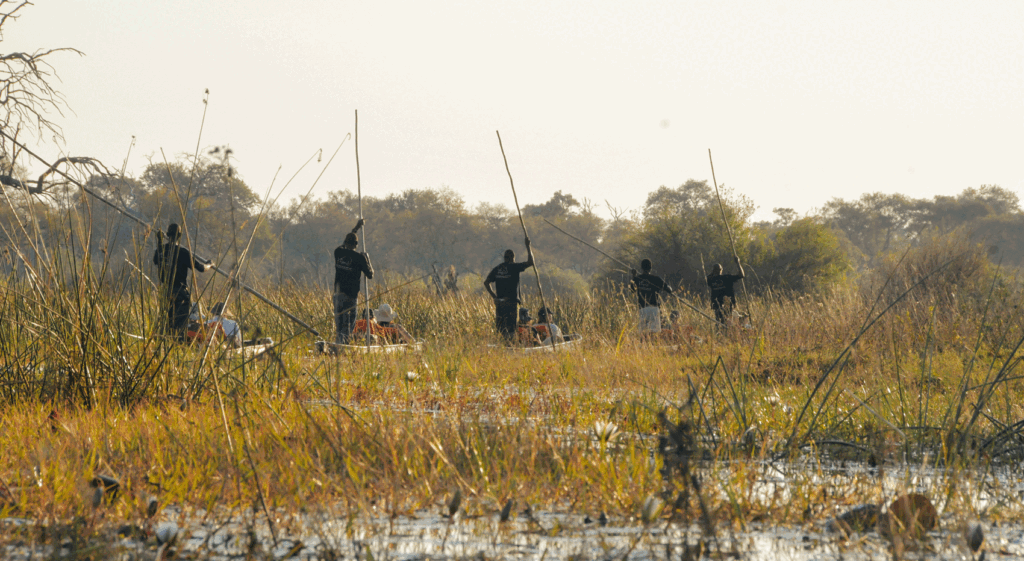
One of my personal highlights here was the mokoro excursion. A mokoro safari is completely different from a game drive. You sit low in the water while a local poler guides you through channels and lagoons. Everything becomes slower and quieter. You notice the sound of water against the canoe, the birds in the reeds and the space between moments.
We saw elephants grazing in the distance, standing in the water. They looked up once, then carried on feeding. It was beautiful, but also slightly hair-raising, because you are sitting in a dugout canoe and you are very aware that it is not the fastest mode of transport. That quiet closeness is part of what makes the experience so powerful.
Moremi: Time Inside the Ecosystem
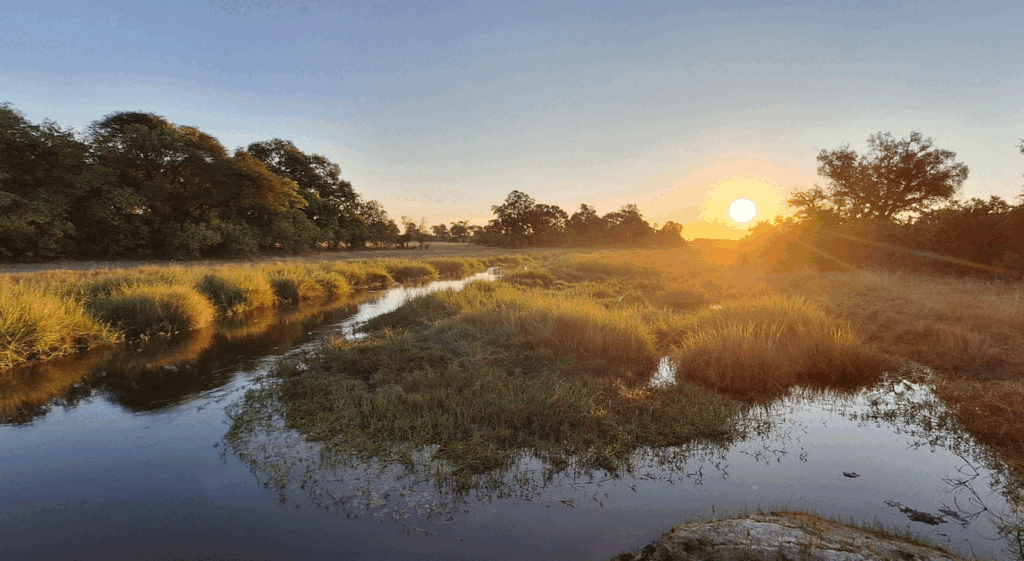
Towards the end of the journey, we moved into Moremi Game Reserve and the Third Bridge area. This part of the trip gave us another view of the Okavango Delta: lagoons, rivers, floodplains, woodland and wildlife all woven together.
What I enjoyed most was staying long enough in certain areas to begin noticing patterns. In Khwai, for example, we had three nights. That gives you time to understand what is happening around you. You start to hear about a lion pride nearby, tracks crossing the road, alarm calls in the distance or a kill from the previous night.
That is the real value of this Botswana mobile camping safari. You are not only moving from one sighting to the next. You begin to feel part of the daily rhythm of the bush. You wake up wondering what happened in the night. You return to camp with stories. You listen after dark because the wilderness does not stop when the vehicle parks.
A Day on a Botswana Mobile Camping Safari
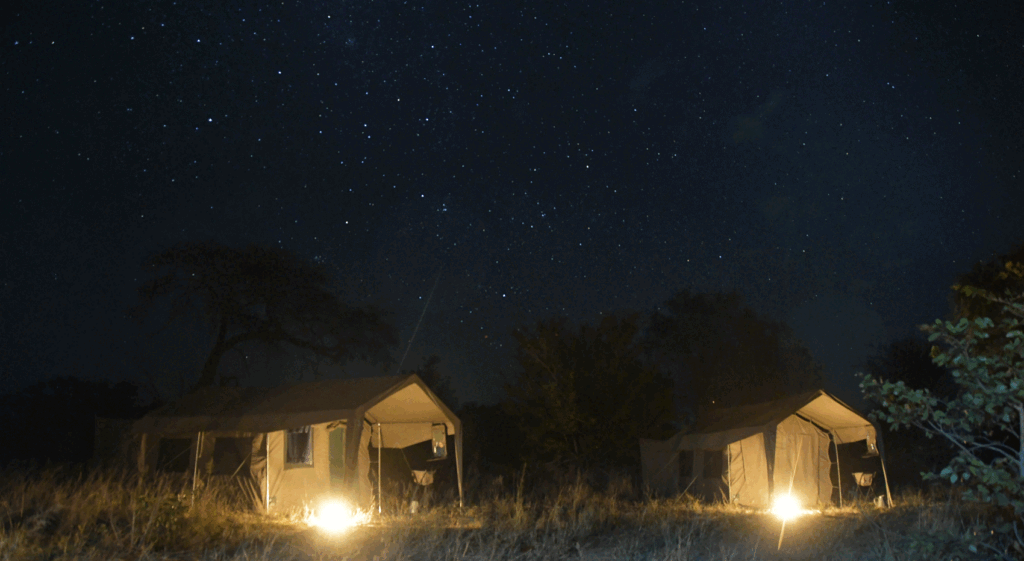
A typical day on this trip starts early, usually around 5:30 in the morning. You wake to a gentle knock on the tent, and warm water is placed outside so you can freshen up before the day begins. It is still dark, the fire is going, and the coffee is waiting near the flames.
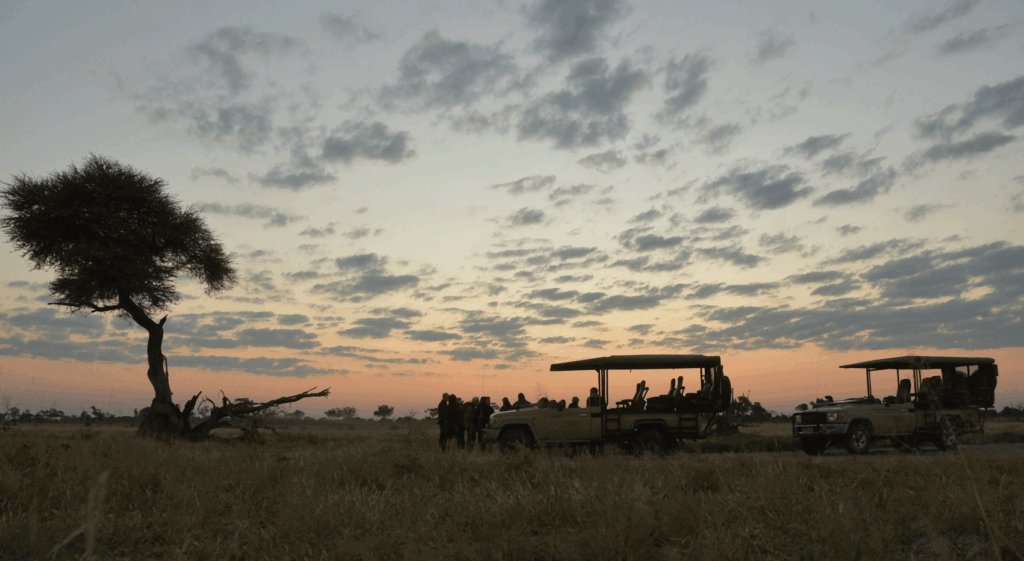
There is something very special about that first cup of coffee in the bush. You are still half asleep, the sun has not fully risen, and you have no idea what the day will bring. After breakfast, usually around 6:30, you head out in open Land Cruisers with your guide.
I was really impressed with the quality of the guiding. The guides did not simply drive around hoping for luck. They checked tracks, listened to birds, reacted to alarm calls and read the landscape carefully. If an impala called in a certain way, they paid attention. If fresh prints crossed the sand, they followed the story.
Often that patience paid off. One moment you are looking at tracks in the road, and the next there is a leopard resting in a tree. Around mid-morning, you stop for tea, coffee and rusks. Even those stops felt special because the guides always seemed to choose beautiful places, often with wildlife somewhere nearby.
What the Mobile Camp Is Really Like
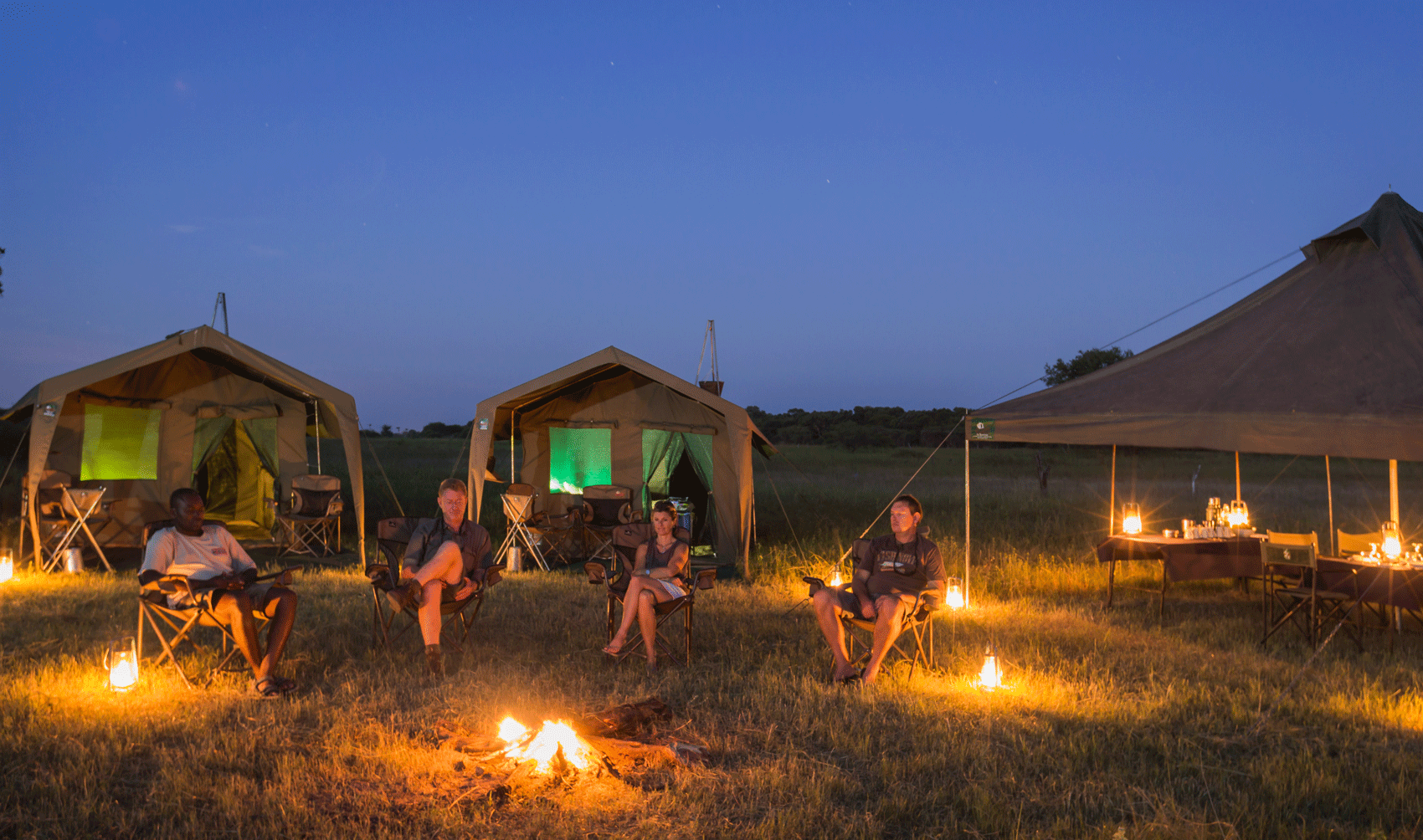
A Botswana mobile camping safari is not a lodge safari, and that is exactly why I love it. The camps are comfortable but still close to the elements. On moving days, the camp team breaks everything down, packs up and moves ahead to the next campsite.
By the time you arrive later in the day, the tents are already up, the camp is ready, and everything somehow feels settled again. Watching the team work like that was impressive. It takes a huge amount of organisation to make something feel so effortless.
The tents are spacious Meru-style tents. You can stand inside, there is room for proper beds, and you have the basics you need. At the back, you have a private toilet setup and a bucket shower. During the day, the team asks who would like to shower, fills the buckets with warm water, and you can freshen up before your siesta.
The mess tent becomes the heart of camp. There are drinks, fruit and snacks available, and the food was genuinely impressive. The cooks made fresh bread, lasagna, pizza and other meals in the middle of the bush, using a ground oven. That is something I still think about, because it shows how much care goes into the whole experience.
The Beauty of Being Disconnected
One of the things I personally appreciated most was the complete remoteness. In many places, there was no phone reception at all. For those days, you are cut off from the outside world, and for me that became one of the greatest luxuries of the trip.
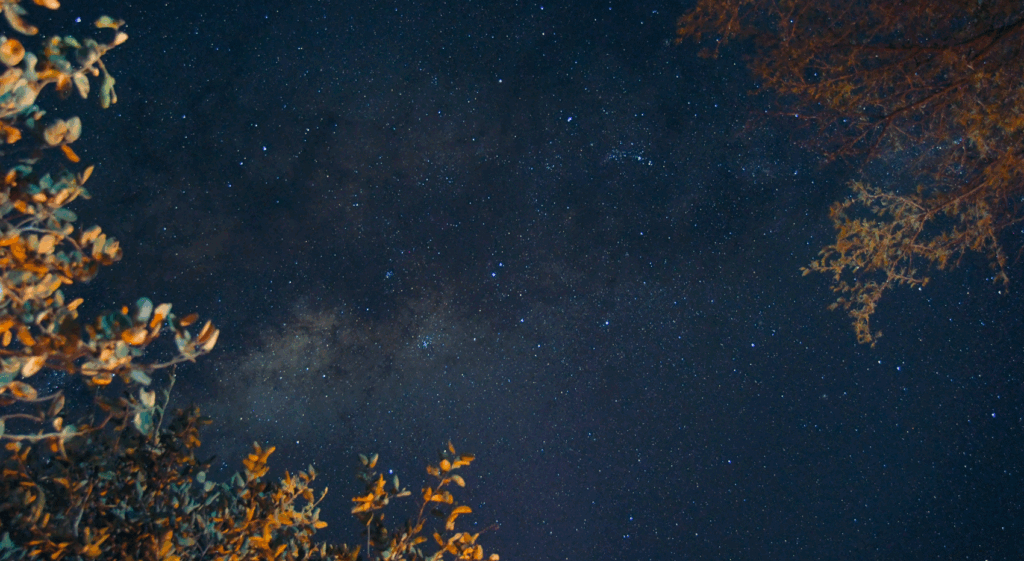
At first, some travellers may wonder how that will feel. But very quickly, it becomes a gift. You stop checking your phone. You listen more. You talk to the people around you. You sit by the campfire in the evening and hear the bush moving around you.
This is where a Botswana mobile camping safari becomes more than a wildlife trip. It becomes a reset. You are close to the ground, close to the weather, close to the sounds of the night. You are reminded that safari is not only about seeing animals, but about being fully present in the place where they live.
Ending With a Scenic Flight Over the Delta
The end of the trip is special too. From Third Bridge, you fly out to Maun in a small bush plane. After days of travelling on the ground, suddenly you see the Delta from above, with channels, floodplains and islands stretching below you.
That final flight gives you a different understanding of the landscape. You realise how vast and complex the Okavango Delta really is. The places you have driven through, crossed by mokoro and slept beside now connect into one wider picture.
For me, it was a fitting end to the journey. Not loud or overdone, but beautiful. After being deep inside the wilderness, you get one last view from the air before returning to everyday life.
Who I Would Recommend This Safari To
I would recommend this trip to travellers with an adventurous spirit. It is ideal for people who want to feel close to the bush, who do not need a permanent lodge around them every night, and who are excited by the idea of sleeping in remote camps surrounded by wilderness.
It is also a fantastic journey for wildlife lovers and photographers. Savuti, Khwai and Moremi are incredibly rich areas, and the chance of strong predator sightings is very real. On our trip, we saw wild dogs, lions, leopards, cheetahs, elephants, hippos and more birdlife than I could count.
Most of all, I would recommend this Botswana mobile camping safari to people who want to experience Africa first-hand. Not polished from a distance, not overly structured, but raw, close and full of life. If that is the kind of safari you are looking for, the Guided Mobile Camping Safaris are a very good place to start.
If you are looking for a Botswana safari from personal experience rather than simply comparing itineraries on paper, this is the kind of journey I would recommend.
Mobile Camping Tours:

Moremi Magic
Places Moremi Game Reserve, Khwai Area
from 3,090 USD per person sharing
Safari Authentic
Places Moremi Game Reserve, Khwai Area, Savuti Region, Chobe National Park
from 3,940 USD per person sharing

The Great North Route
Places Moremi Game Reserve, Khwai Area, Savuti Region, Chobe National Park
from 4,930 USD per person sharing
Why This Is My Favourite Botswana Safari
It is always difficult to choose one favourite trip, but The Great North Route stands out for me. Savuti alone would be enough reason. Hearing lions roaring at night and then seeing the marsh pride, more than 25 lions strong, only minutes from camp the next morning was unforgettable.
But it was not only one sighting. It was the whole journey: Chobe from the water, wild dogs in Savuti, mokoro channels in Khwai, the rhythm of Moremi, the campfire evenings, the guides reading tracks, the cooks baking bread in the bush, and that final flight over the Delta.
That is why this is my favourite Botswana mobile camping safari. It is wild, remote and deeply rewarding. It reminds you why Botswana is one of Africa’s most extraordinary wilderness destinations and why some safari experiences stay with you long after the journey has ended.
Start Planning Your Botswana Mobile Camping Safari
When people ask me what I would choose for a Botswana safari from personal experience, I keep coming back to mobile camping because it brings you so much closer to the wilderness.
If you are looking for a safari that brings you close to the bush, close to the wildlife and close to the rhythm of Botswana’s wilderness, this is the trip I would recommend.
A Botswana mobile camping safari is not just about where you go, but how deeply you experience each place along the way.
To start planning, explore The Great North Route, get in touch with the Botswana-Experience team or schedule a call to discuss whether this journey is the right fit for your travel style.
Author: Taher Nassrulla